
Guide
Why a Door Goes Off Track in Coppell
Coppell homes built from the late 1950s through 2014 use track systems that age differently. Here's why doors jump track here and what actually causes it.
Local detail
What the Weather Here Does to It
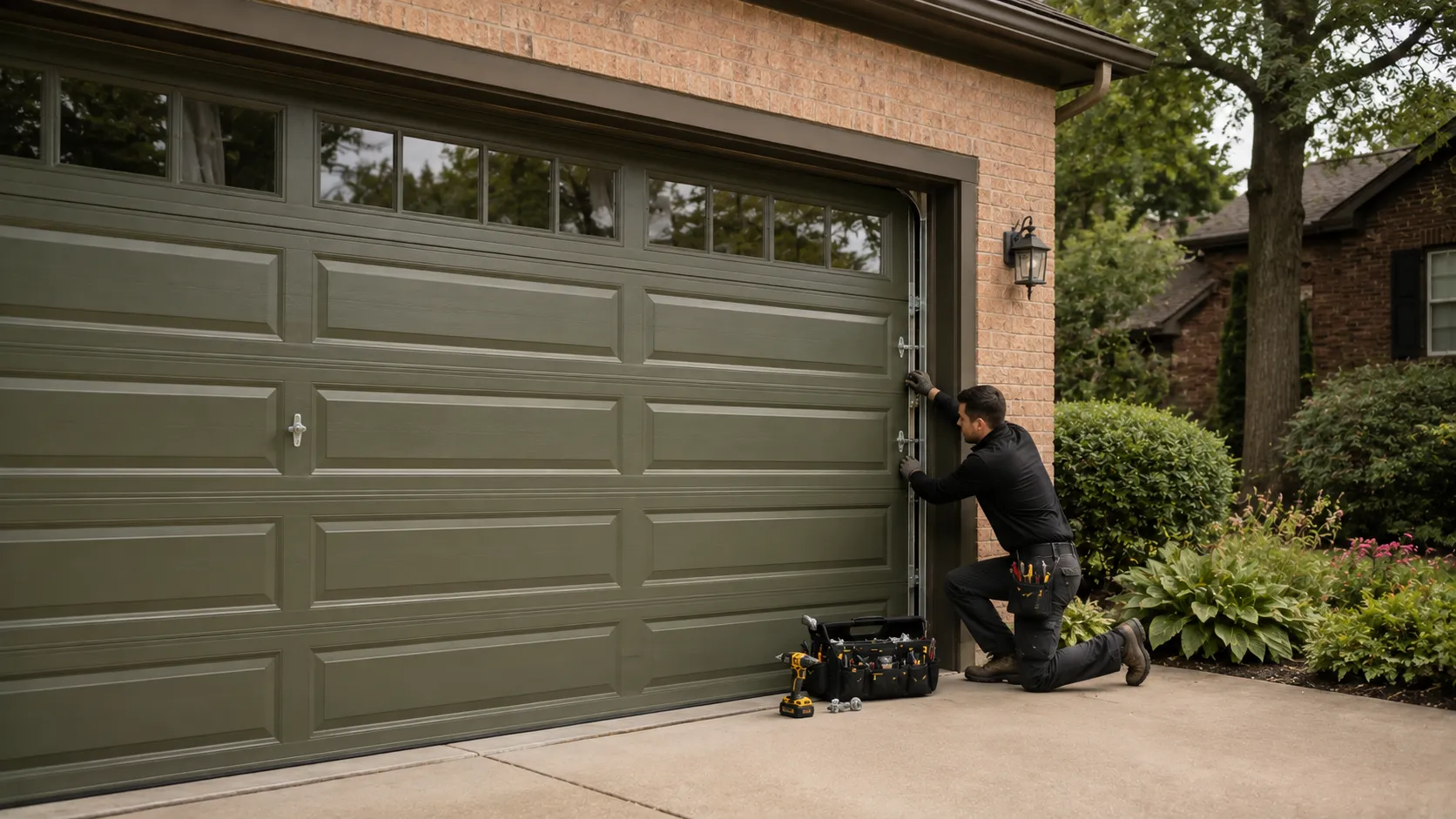
Coppell sits in a moderate heat band, not the kind of extreme swing that cracks concrete slabs or warps steel overnight. That's the good news. The bad news is what moderate heat does slowly: it expands and contracts the lag screws holding your vertical track brackets to the framing, year after year, without ever being dramatic enough to notice until a bracket finally works loose.
A door doesn't jump track because of one hot day. It jumps track because ten summers of expansion have backed a screw out a sixteenth of an inch at a time, and nobody re-torqued it. Rollers see the same slow wear.
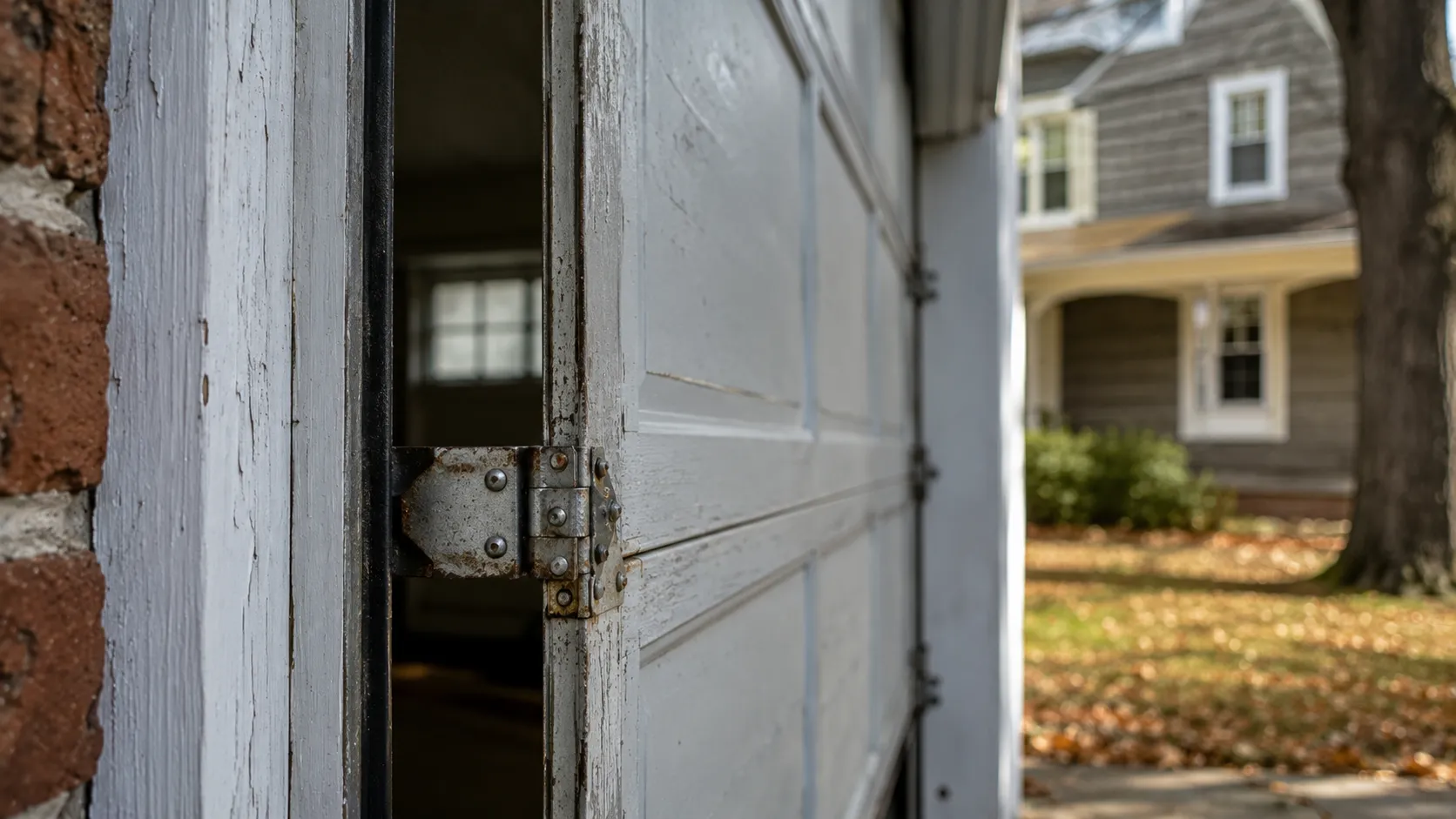
Nylon rollers common in this area's newer construction handle heat fine, but the steel rollers still running in older sections don't flex the same way, and a track that's a hair out of plumb turns every pass of a stiff roller into a small hammer blow against the rail. None of this shows up as a sudden failure. It shows up as a door that rides rough for months, then comes off the rail on an ordinary Tuesday.
The area
Season by Season
Spring and early summer put the most load on track alignment here, because that's when temperature swings day to night are largest and the framing around the opening moves the most. A bracket that was snug in February can have a sixteenth of play by June. Late summer heat holds steady, which is actually easier on the hardware than the shoulder-season swings. What matters more than the season is the age of the track itself.
A lot of Coppell's housing went up in the 1980s and 90s, and track systems from that era were installed with fewer brackets per side than current code calls for for wider double doors. Fewer brackets means each one carries more load, and more load means faster wear at the exact point where the roller meets the rail. If your house falls into that build window, the track spacing itself may be part of why doors here go off more than they should - not just weather, but the original install standard.
What we find
The Situation
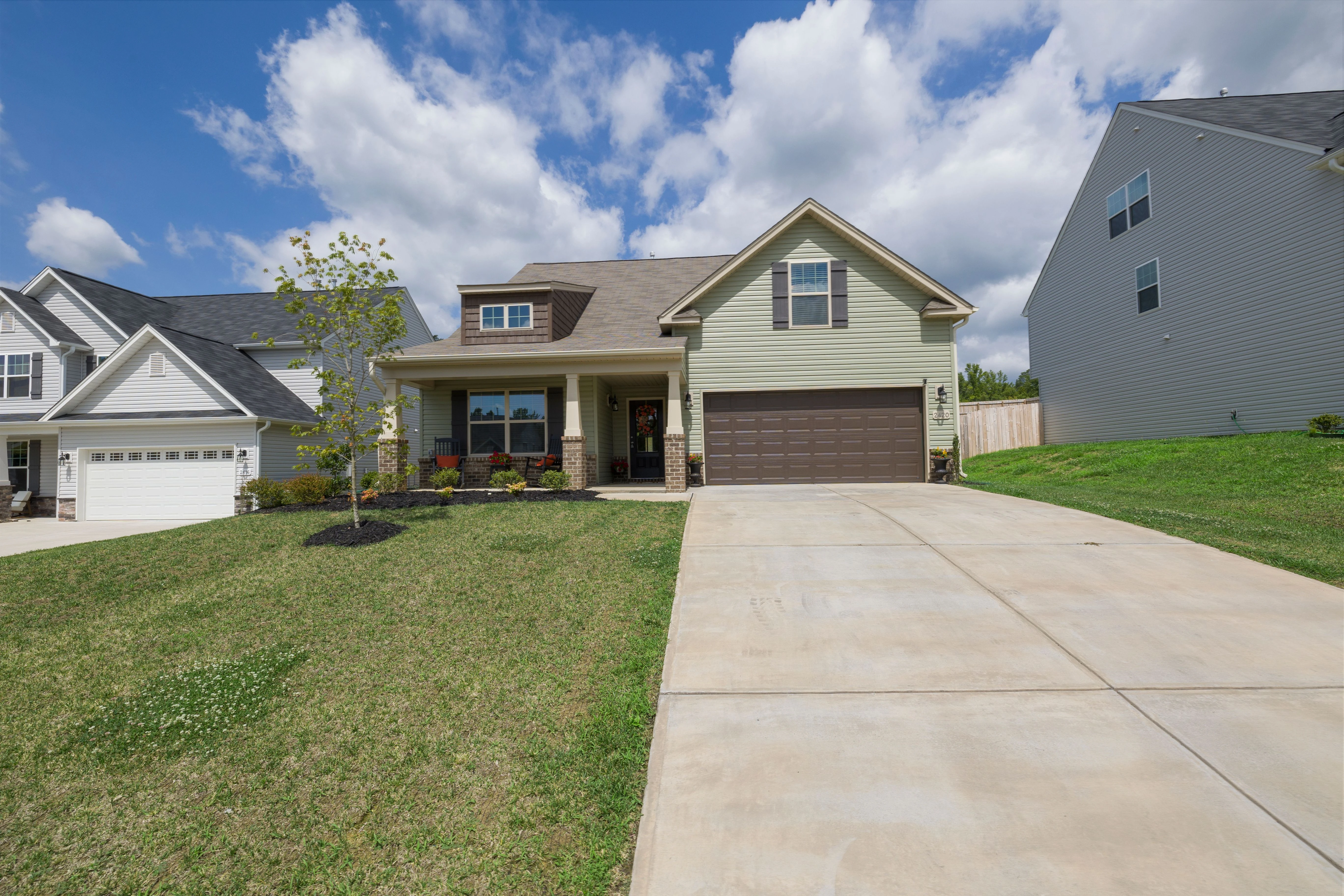
Across the service area - 87,582 households, with 55,758 of those owner-occupied houses - track problems cluster by construction era more than by street. Homes built closer to 1959 that are still running original hardware are a different repair than homes from the 1999 median build year, which are a different repair again from anything finished after 2010 to current code. A door that's off track on a house from the earlier end of that range is often a bent rail or a bracket pulled clean out of old framing. On newer builds it's more often a roller that's simply worn out and started walking sideways in the channel.
We see both. Median household income in this area runs $146,314, and that matters here in one practical way: a lot of homeowners default to full track replacement when a bracket reset and a roller swap would have solved it for less. Worth asking before you commit to the bigger job.
How we work
The Common Mistake
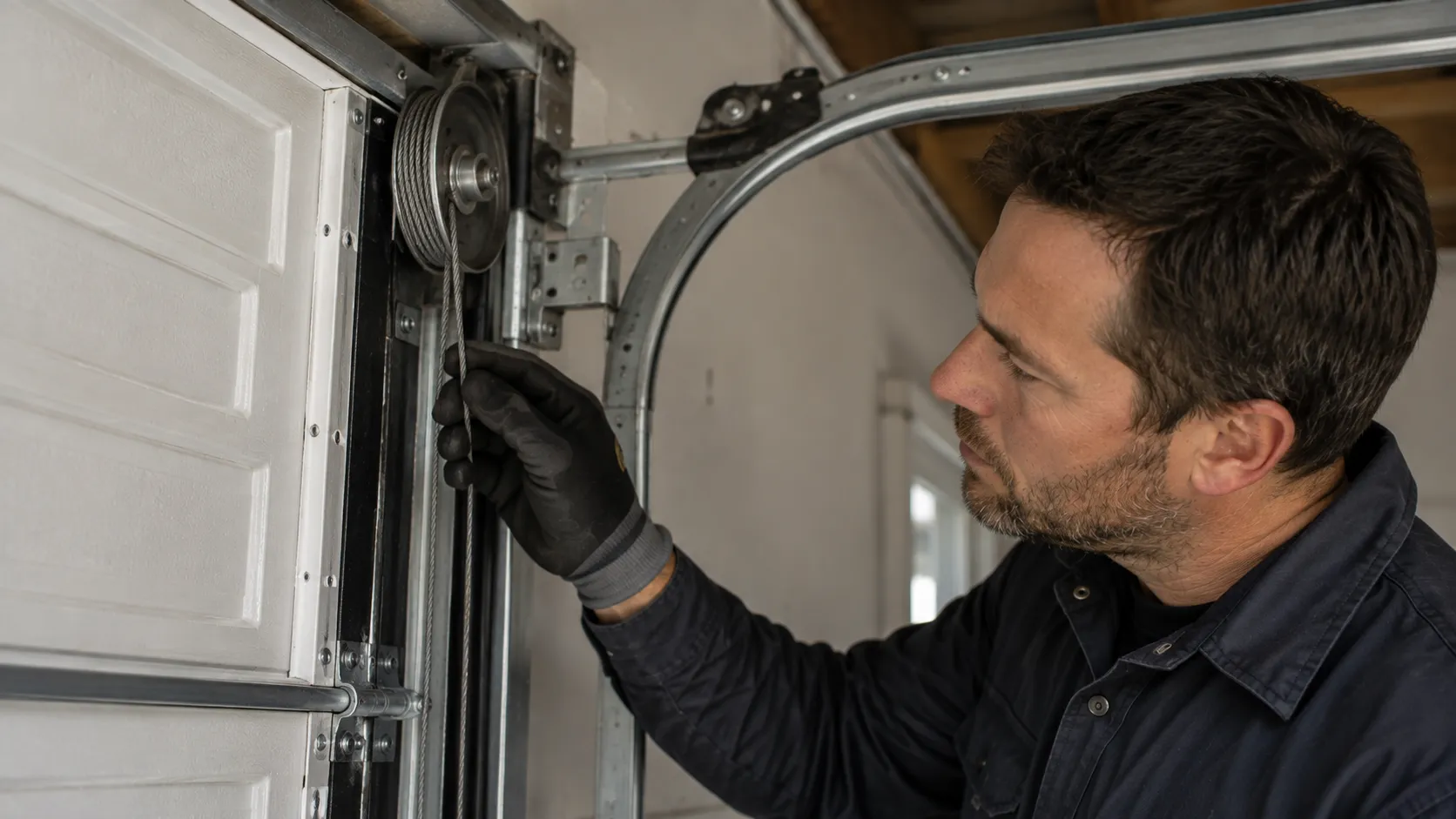
The mistake we see most is someone noticing the door riding rough, grabbing a hammer, and knocking the track back toward straight rather than loosening the bracket bolts and resetting the whole rail plumb with a level. Hammering a track back into place doesn't fix the bent section - it just moves the bend somewhere else and stresses the mounting holes. On the older end of Coppell's housing stock, where brackets are already carrying more load than current spacing standards would call for, that extra stress is often the thing that finally pulls a bracket loose for good.
The honest limit here: if a track is bent in more than one place, or if the bend is at a weld point on an older rail, we're not going to hammer it straight and call it fixed. That's a track replacement, not a repair, and we'll tell you that up front rather than charge you for a fix that comes apart again in a year.
Questions
Common questions
Why did my garage door suddenly jump off the track?
It's rarely sudden. In Coppell, off-track doors usually follow months of a bracket working loose from repeated expansion and contraction through the moderate heat swings here, or a roller that's been wearing unevenly in an older steel track. The final jump is just the last straw, not the cause.
Is my house's age a factor in track problems?
Often, yes. A lot of Coppell homes were built in the 1980s and 90s with fewer track brackets per side than current standards use on wide doors. Fewer brackets means more load on each one, which speeds up wear at the roller-to-rail contact point over the decades.
Can a bent track be hammered back straight?
No, not reliably. Hammering a bent rail moves the stress rather than removing it, and on older houses where brackets are already carrying extra load, that added stress often pulls the bracket loose next. A track bent in more than one spot needs replacing, not straightening.
Ready when you are
Need a garage door sorted in Coppell?
Coppell Garage Door Co repairs and installs garage doors, springs and openers in Coppell, TX and the surrounding area.