
Guide
What That Noise in Your Coppell Garage Actually Means
Coppell homes built between 1959 and 2014 carry a wide range of original hardware. Here's what grinding, popping, and rattling actually mean on this housing stock.
Local detail
What the Weather Here Does to It
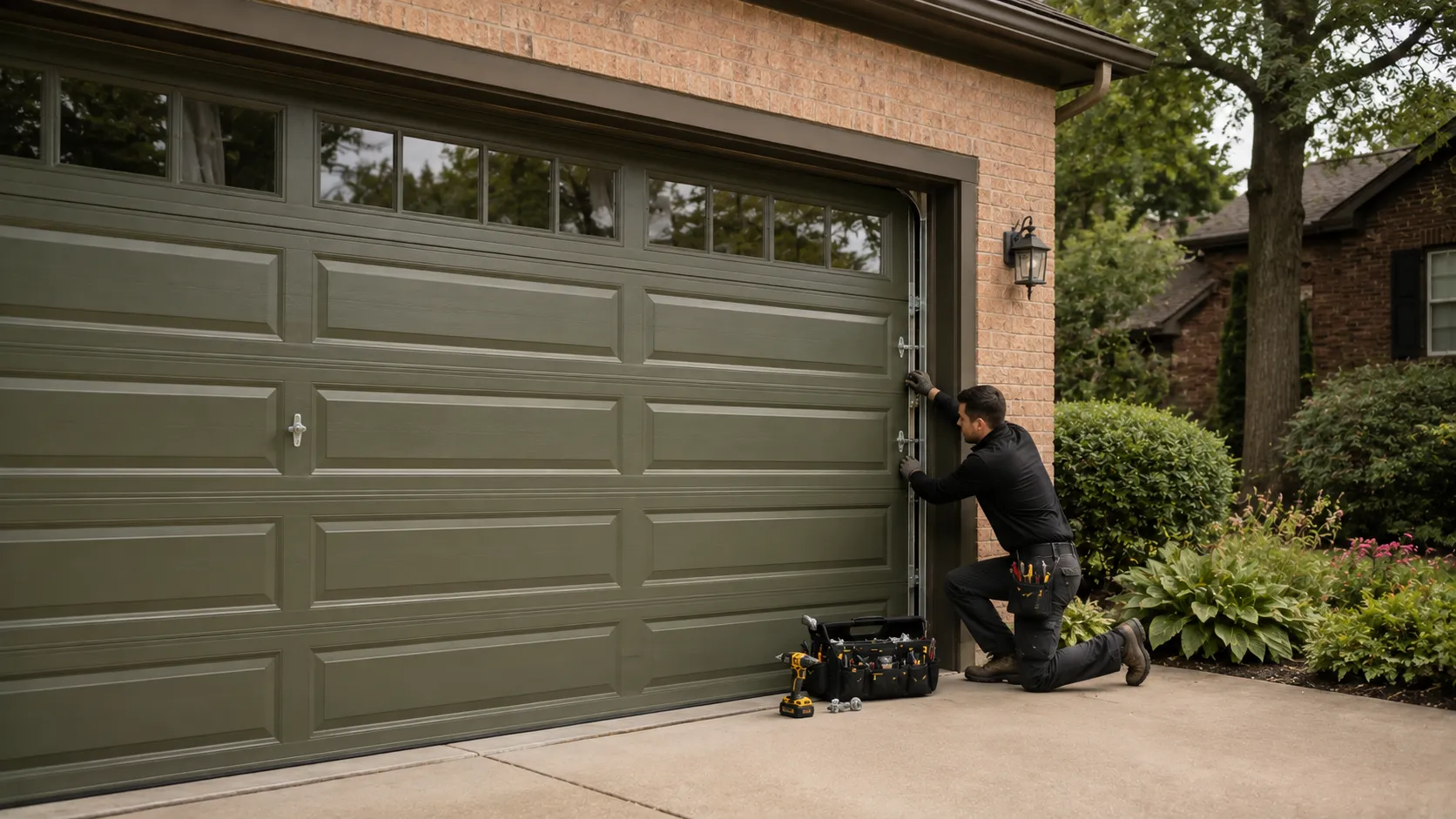
Coppell sits in a moderate-heat climate band, not the kind of place that swings between deep freeze and blazing summer. But moderate heat still does work on a garage door system, just slower and quieter than you'd expect. Steel tracks expand a little in the afternoon heat that builds up in an attached garage, then contract overnight. Do that enough thousand times over a couple decades and bolts back out, brackets shift a sixteenth of an inch, and a track that used to run dead quiet starts to tick or pop as the rollers pass the spot where it's loosened.
Openers take a similar beating. The motor housing sits in a garage that runs warmer than the house for a good stretch of the year, and the grease in the gears and the lubricant on the chain or belt thin out faster under sustained heat than they would in a cooler climate. That's usually the source of a whine that wasn't there last summer. None of this is dramatic. It's slow wear from a climate that leans hot rather than a climate that swings hard, and it shows up as noise well before it shows up as a door that won't move.
The fix in most cases isn't a new opener. It's re-lubricating with the right grade and checking hardware torque, which is cheap compared to what people assume.
The area
Season by Season
Coppell doesn't give you four dramatically different seasons for a garage door to react to. The climate here is classed as moderate heat, which means the stress on your hardware is mostly one long season of warm-to-hot weather with a shorter stretch of mild cooling, rather than the freeze-thaw cycling that tears up doors further north.
What that means in practice: the noises you get in Coppell tend to build gradually through the hotter months rather than show up suddenly after one cold snap. A spring that's been quietly losing tension will often start groaning on the first really hot week, because heat softens the metal's give just enough to make an already-weak coil complain under load. If you hear a new grinding or grating sound after a run of hot days, that's not a coincidence, it's the heat exposing a spring or bearing that was already close to done.
The cooler stretch of the year is usually when things go quiet again, and it's the better window to get ahead of a repair before the heat comes back and stresses the same spot again next year.
What we find
The Situation
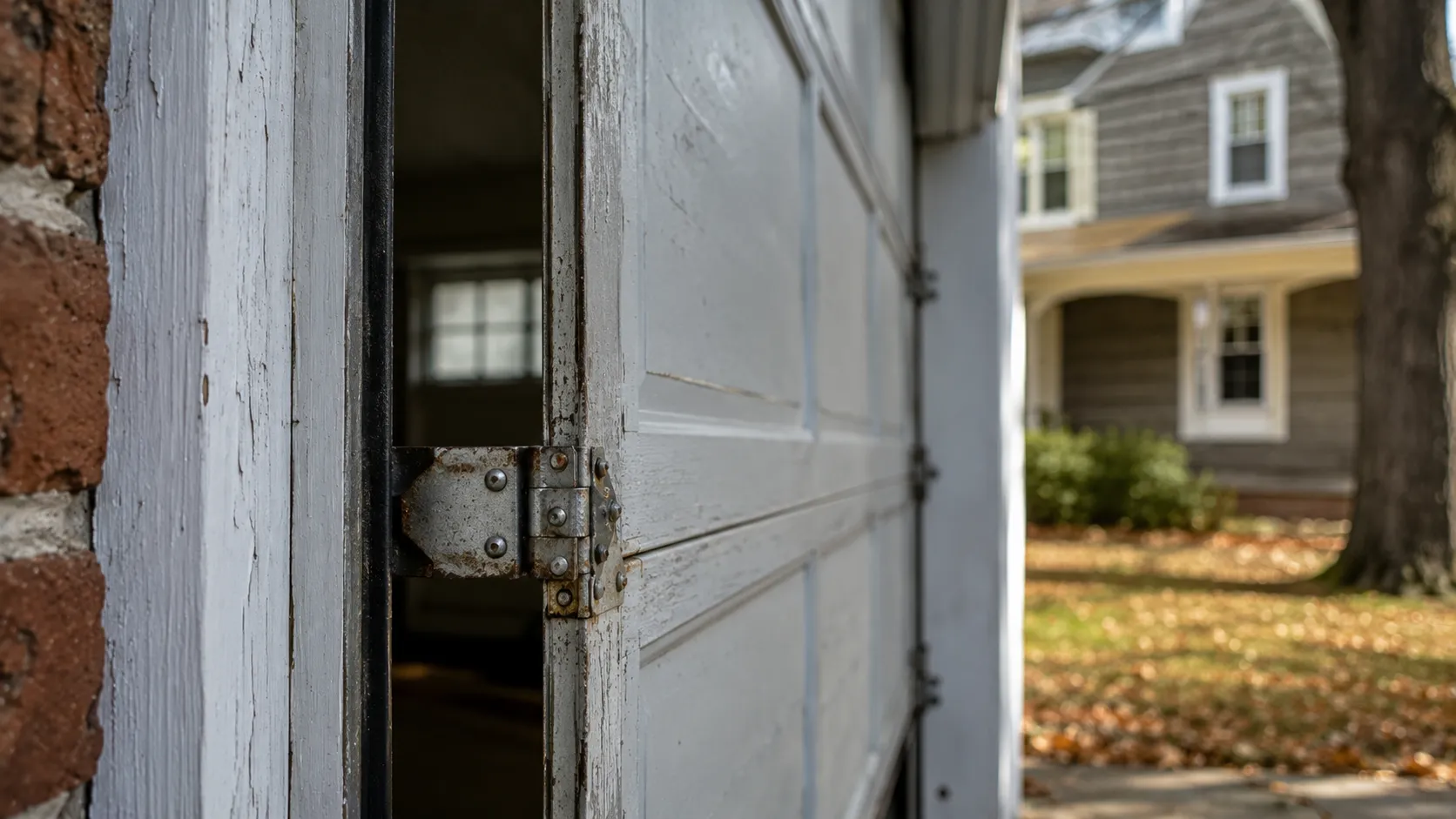
Housing in the Coppell area went up mostly between 1959 and 2014, with the median build year around 1999, and most of the stock across the area's 22 named neighborhoods dates to the 1980s and 90s. That matters for noise diagnosis because it tells you what's likely behind the wall. A door and opener installed when a house was built in the late 80s or early 90s is now 30 to 40 years old if it's never been replaced, and torsion springs at that age are well past the point where a grinding or popping sound is background noise you can ignore.
With a median household income of $146,314 across the area and 55,758 owner-occupied houses out of roughly 87,582 households, a lot of these homes are also the kind where an owner will fix rather than let a problem sit. That's the right instinct with garage doors specifically, because a noise that gets ignored for another year is usually a spring or cable that fails without warning, sometimes with the door in the down position and someone under it.
If your house falls in that 80s-to-90s build window and you haven't touched the opener or springs since, the noise you're hearing probably isn't new, it's just gotten loud enough to notice.
How we work
The Common Mistake
The mistake we see most in this area is spraying WD-40 on a noisy track and calling it fixed. It quiets things down for a week, sometimes two, because it's a solvent, not a lubricant, and it washes out old grease along with the grit. Then the noise comes back louder, because the metal-on-metal contact that was masked is now running drier than before you sprayed it.
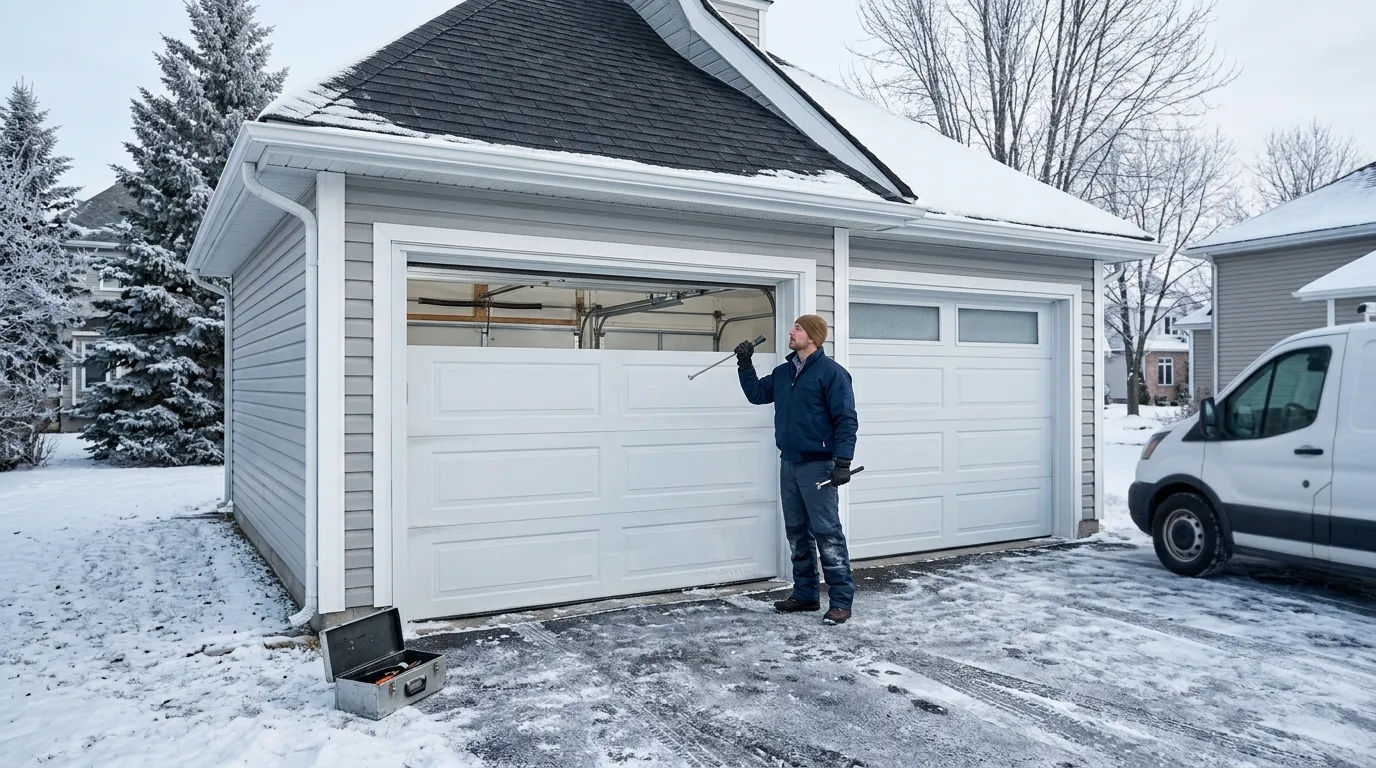
The honest limitation here: we can't tell you over the phone whether a noise is a $20 lubrication job or a spring on its way out. Grinding at the top of the track, a bang when the door opens, and a slow groan under load are three different problems with three different price tags, and guessing wrong wastes a truck roll for everybody. If your door was installed when your house was built and that build year is anywhere near the 1980s-90s range common across this area, the safest assumption is that original springs are past due, not that a squirt of lubricant will hold another year.
Questions
Common questions
My garage door only makes noise when it's hot outside. Is that a real problem?
Yes. Heat softens metal tolerances just enough to expose a spring or bearing that's already near the end of its life. In a moderate-heat climate like Coppell's, that shows up as a seasonal pattern rather than a sudden failure, but the underlying part is still wearing out. Treat the heat-triggered noise as an early warning, not a weather quirk.
How old is too old for original garage door springs in Coppell?
Most homes in this area were built in the 1980s or 90s, with the broader housing stock running from 1959 to 2014. If your springs are original to a house from that older end of the range, they're 30-plus years old, well beyond typical service life, and a grinding or popping sound at that age should be checked, not sprayed with lubricant and ignored.
Will lubricant fix a grinding noise for good?
Sometimes, if the noise is dry metal-on-metal contact and nothing else is worn. But if the grinding is coming from a spring coil or a worn bearing, lubricant just delays the sound, not the failure. We can't diagnose which one it is without seeing the door, since the fix and the cost differ a lot between the two.
Ready when you are
Need a garage door sorted in Coppell?
Coppell Garage Door Co repairs and installs garage doors, springs and openers in Coppell, TX and the surrounding area.