
Guide
What Coppell's Older Garage Doors Are Actually Fighting
Coppell homes built between 1959 and 2014 mostly predate insulated door standards. Here's what that means for your garage in a moderate-heat climate, and when it's worth fixing.
Local detail
What the Weather Here Does to It
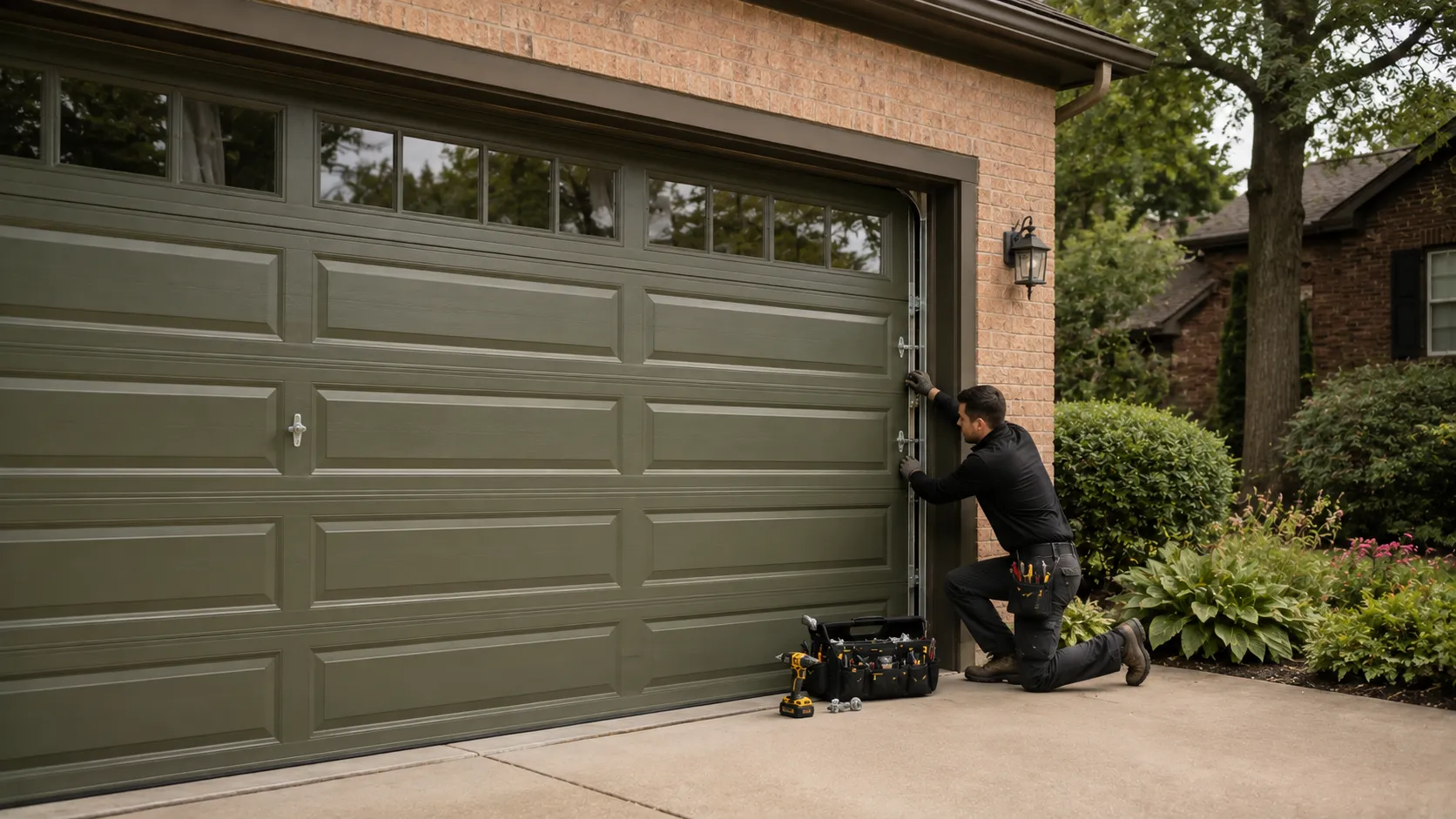
Coppell sits in a moderate heat band, not the extreme end of the Texas scale, but moderate still means long stretches above 95 in summer with a garage door as the only barrier between that heat and whatever's on the other side of the wall. A single-layer steel door, which is what you'll find on a lot of homes here, doesn't slow that heat down. It just passes it through. If your garage backs onto a bedroom or a laundry room, you feel it in the electric bill before you feel it anywhere else.
This isn't a wind-load or ice-dam problem, the kind you'd worry about further north. It's a straight heat-transfer problem, and it's slower and less dramatic, which is exactly why it gets ignored. Nobody calls about a door that's merely making the house hotter. They call when the opener starts straining, and by then the door's been costing them money for years.
We don't fix this with weatherstripping alone. A door built with no insulation layer at all doesn't gain much from a bead of foam around the edges. If the door itself has no R-value, the fix is the door, not the trim around it.
The area
Season by Season
Spring and fall in Coppell are mild enough that an uninsulated door doesn't show its weaknesses much. It's the long summer stretch, and to a lesser extent the occasional hard freeze in winter, where the gap in the housing stock matters. Homes from the 1980s and 90s wave of construction here were built to the codes of their day, and garage door insulation wasn't part of that code the way it is now.
Summer is the bigger issue given our moderate-heat classification. A steel door with no core heats up fast and holds that heat into the evening, radiating it into the garage and anything attached to it. If you've got a freezer or a workbench with tools that don't love heat swings, you'll notice.
Winter here doesn't demand much of a garage door thermally, but a door that's already sagged or warped from years of summer heat cycling won't seal as well when a cold front does come through. The two seasons compound each other on an old, uninsulated panel in a way they wouldn't on a newer one.
What we find
The Situation
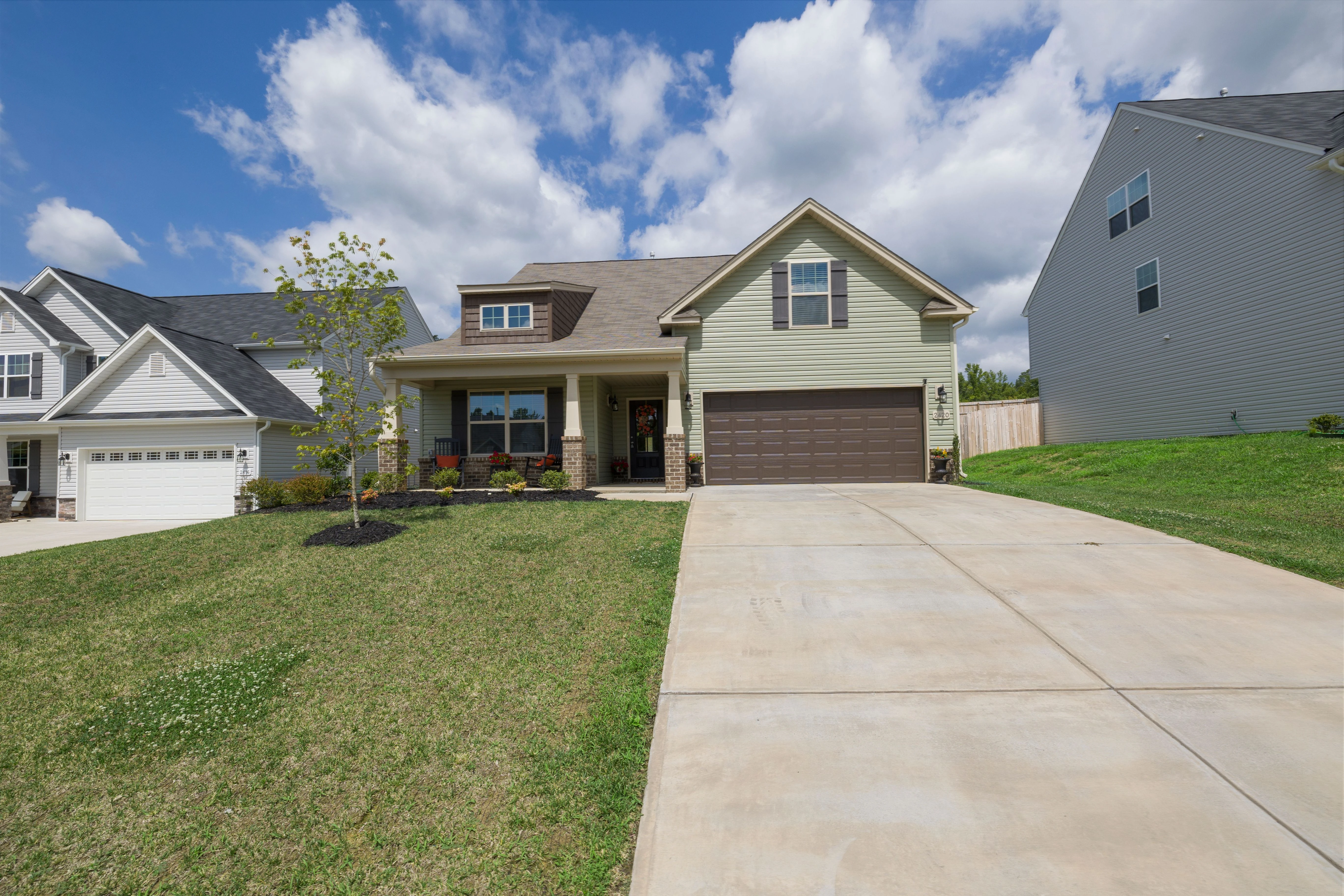
Across the Coppell area, housing stock runs from 1959 up through 2014, with the median landing around 1999 and a heavy concentration built in the 1980s and 90s. That's the era before insulated garage doors were standard practice, let alone code. If your house falls in that window, and a lot do, your original door is likely a single steel skin with no polystyrene or polyurethane core.
The area has roughly 87,582 households, with about 55,758 of those in owner-occupied houses, and a median household income of $146,314. That income level means most owners here can afford to replace rather than patch when a door is genuinely at end of life, and for an old uninsulated slab, replacement usually makes more financial sense than trying to retrofit insulation into a panel that wasn't built to hold it.
We see this most on the older side of the housing mix, less on homes built in the 2000s or later, which mostly shipped with insulated doors from the builder.
How we work
The Common Mistake
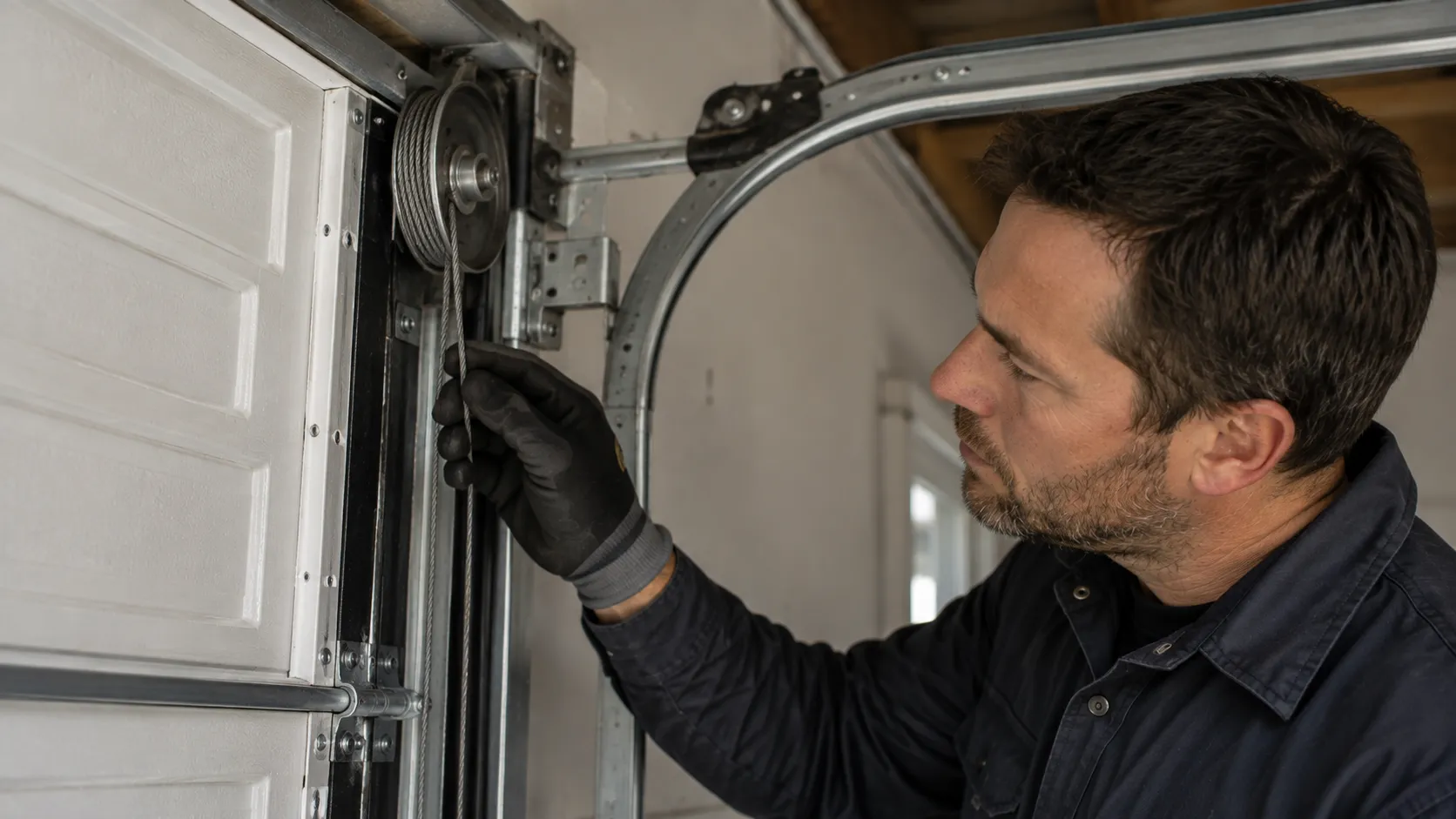
The mistake we see most often is spending money on insulation kits for a door that's structurally near the end of its life anyway. Foam-board kits and reflective batting can knock a little heat transfer down, but they don't fix a warped panel, worn rollers, or a spring sized for a lighter, uninsulated door now carrying extra weight. If your door dates to that 1980s-90s wave, a retrofit kit is a few dollars saved now and a bigger bill later when the hardware can't handle the added load.
The honest answer: we don't recommend insulation retrofits on doors older than about fifteen years unless the panels and hardware are already in good shape. If the door's due for replacement anyway, an insulated door bought new solves the heat problem and the age problem in one job. If it isn't, we'll say so, and we won't sell you a kit just to have sold something.
Questions
Common questions
Is my Coppell house old enough to have an uninsulated garage door?
If your home was built in the 1980s or 90s, which covers a lot of the area's housing stock, there's a good chance the original door has no insulation core at all. Homes built closer to 2010 or later were more likely to ship with an insulated door as standard from the builder.
Will adding insulation to my existing door help with the heat?
Sometimes, a little. A foam or reflective kit can cut some heat transfer, but it won't fix a door that's already warped, sagging, or carrying worn hardware. On older single-layer steel doors, we usually recommend replacement over retrofit once the door's near the end of its working life.
Does Coppell get cold enough that insulation matters in winter too?
Less so. Our climate band is moderate heat, and winter cold here is occasional rather than sustained. The bigger cost from an uninsulated door shows up in summer electric bills, though a door already worn from heat cycling won't seal as well during a cold front either.
Ready when you are
Need a garage door sorted in Coppell?
Coppell Garage Door Co repairs and installs garage doors, springs and openers in Coppell, TX and the surrounding area.