
Guide
How Coppell's Climate and Housing Age Wear Out a Garage Door Spring
Coppell's housing stock and moderate-heat climate band shape how garage door springs age here. What actually fails, when, and why replacement often beats patching.
Local detail
What the Weather Here Does to It
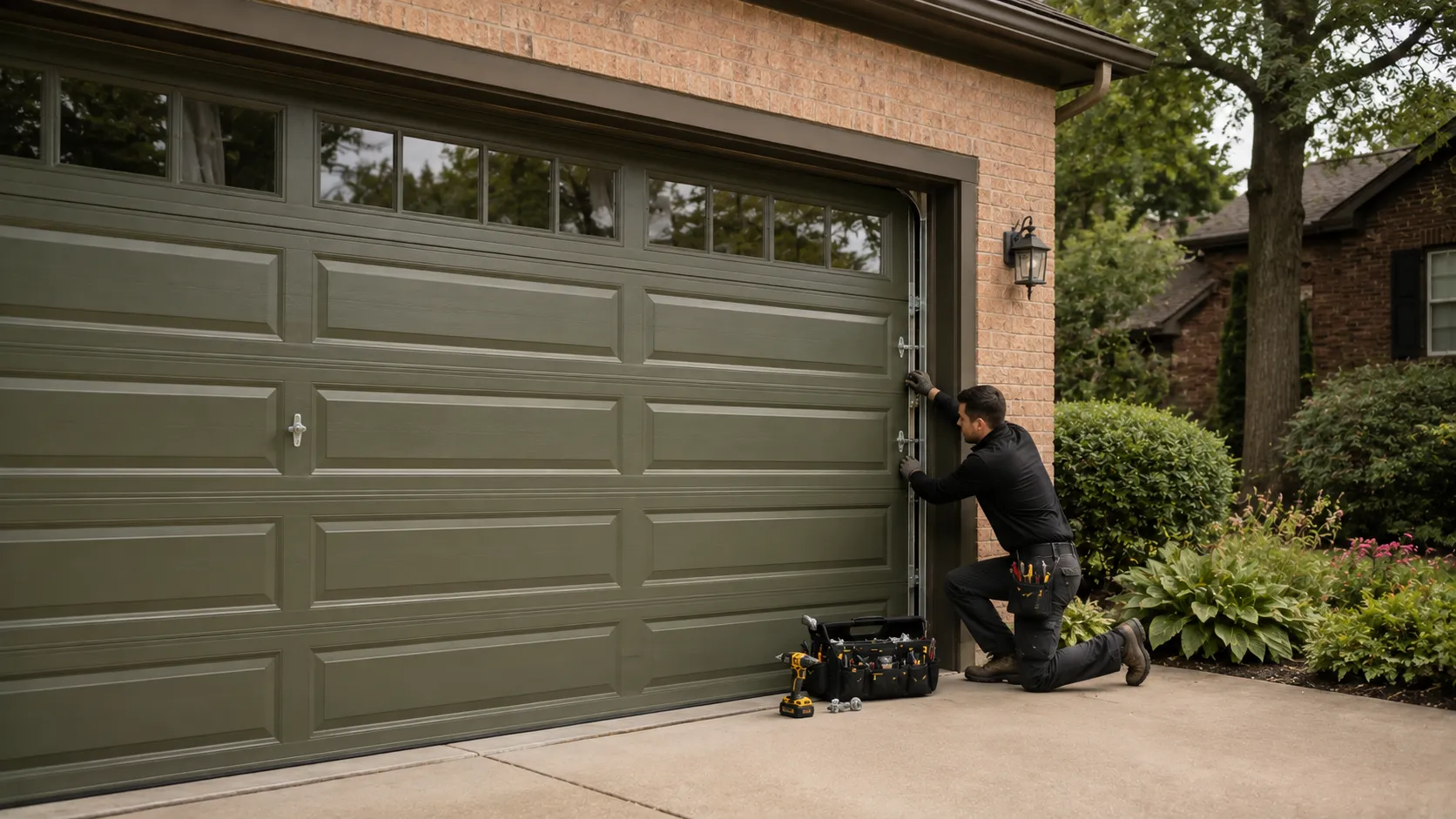
The service area sits in a moderate-heat climate band, not the extreme end of the scale, but moderate heat still means long stretches where a steel torsion spring sits under a hot roof deck all summer, then gets asked to do full work again the first cold morning of the year. Steel doesn't like that swing. Heat softens the grease packed into the coil and lets it run thin; cold tightens the coil back down and takes up the slack the spring no longer has.
That's when a spring goes in cold weather - not because the metal is old exactly, but because it spent a season getting cooked and then got asked to snap back to spec overnight. Rubber weatherseal along the bottom panel goes the same way: it gets pliable in the heat, then cracks stiff once the temperature drops, and a door that sealed fine in July starts letting daylight in around the edges by January. None of this is dramatic.
It's slow, and it's the reason a spring that looked fine in October can let go in a January cold front with no warning at all. We check spring wind and seal condition on every call for exactly this reason - it's cheap to catch early and expensive to catch late.
The area
Season by Season
Summer is the setup, not the failure. Heat expands the metal track slightly and softens spring lubricant, so a door running rough in July is usually a lubrication problem, not a spring problem yet. Fall is when we see the first real symptoms - a door that groans on the way up, an opener that strains a half second longer than it used to. Winter is when the bill comes due: the same spring that stretched fine all summer contracts hard on a cold morning, and if it was already fatigued from age or heat cycling, that's when it breaks - usually on the coldest morning of the stretch, when everyone needs the door to work and nobody wants to stand outside fixing it.
Spring is the recovery season, the stretch where we get the most calls to replace what didn't survive winter and to service what barely did. Given the housing stock in this area runs from 1959 through 2014 with a lot of it built in the 1980s and 90s, a good number of these springs have already been through twenty or more of these full cycles. That's not a scare number - it's just what a torsion spring's service life looks like once you count the summers and winters.
What we find
The Situation
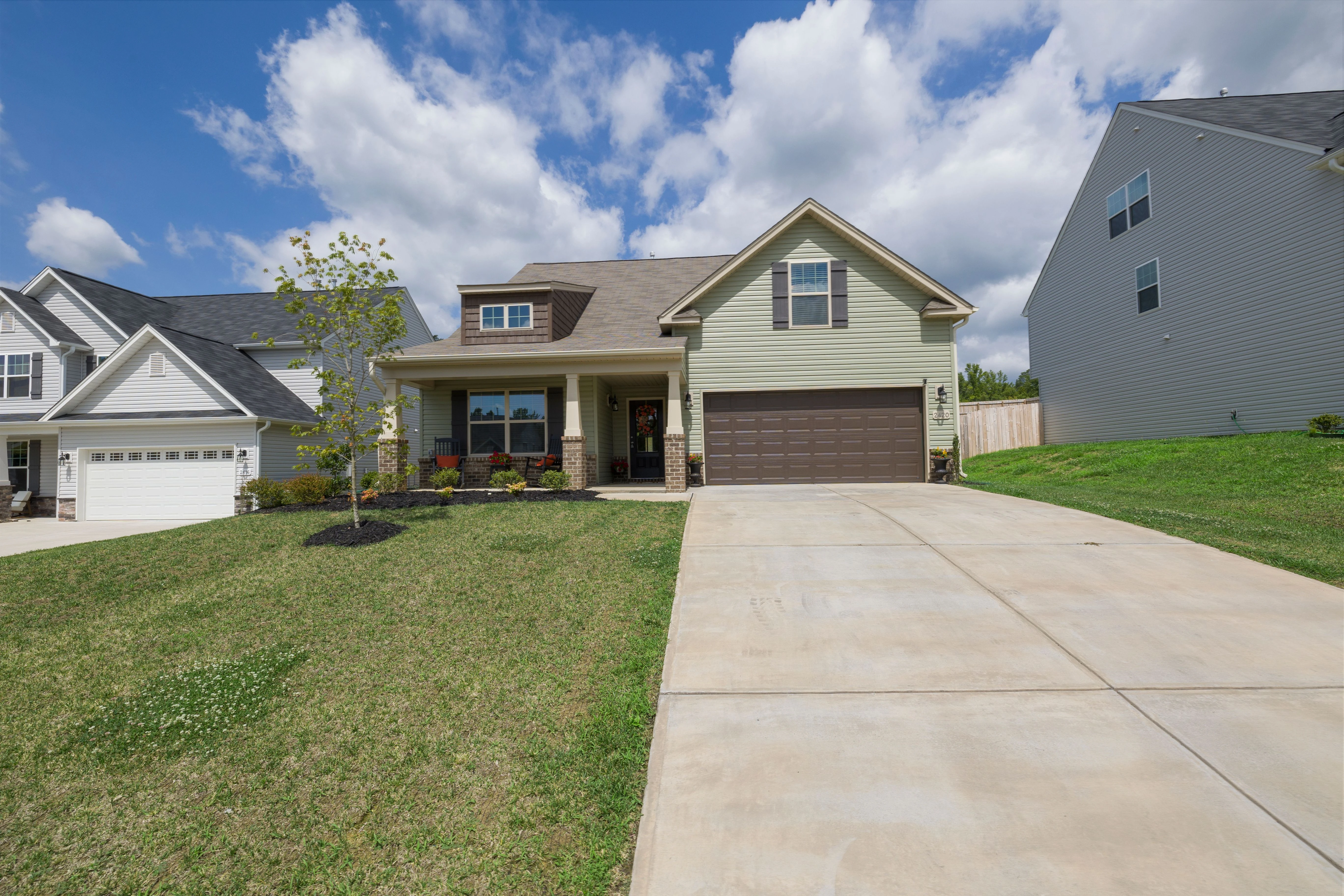
Across the 22 named communities in this service area, the housing stock leans heavily 1980s and 90s, with construction spanning 1959 to 2014 and a median build year of 1999. That range matters because it sets what hardware is actually behind these doors. A house built in the late 80s likely still has its original torsion spring and a first- or second-generation chain-drive opener, neither of which was built with today's spring cycle counts in mind.
With 87,582 households in the area and 55,758 of those owner-occupied houses, that's a large stock of original or near-original garage door hardware still in daily use, much of it never having had the spring swapped even once. The median household income here is $146,314, which puts most homeowners in a position to choose full replacement over a string of patch repairs once a door starts showing its age - and for a door built when the house was, that's usually the smarter math than sinking another service call into a spring and drum system nobody makes parts for anymore.
How we work
The Common Mistake
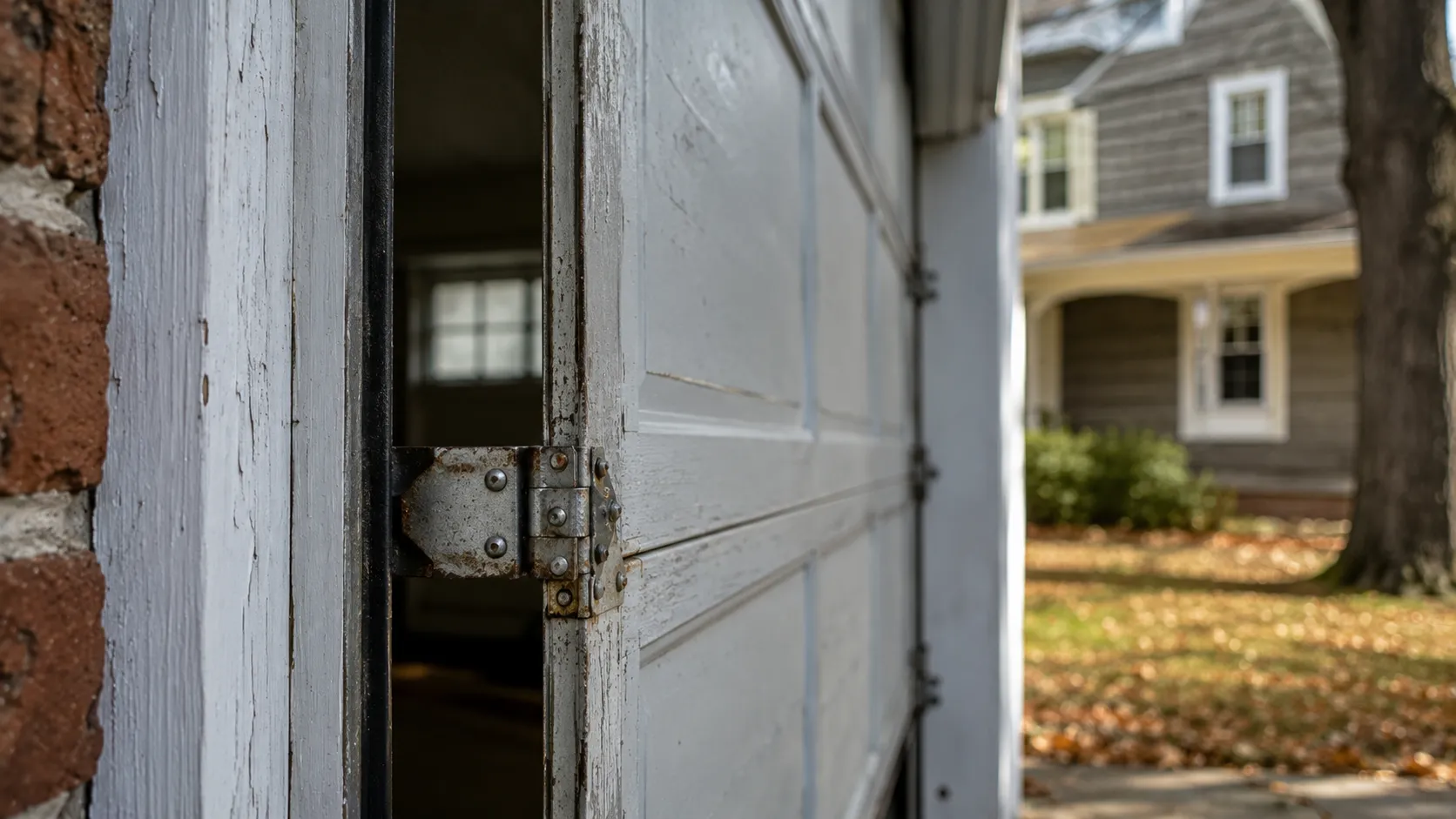
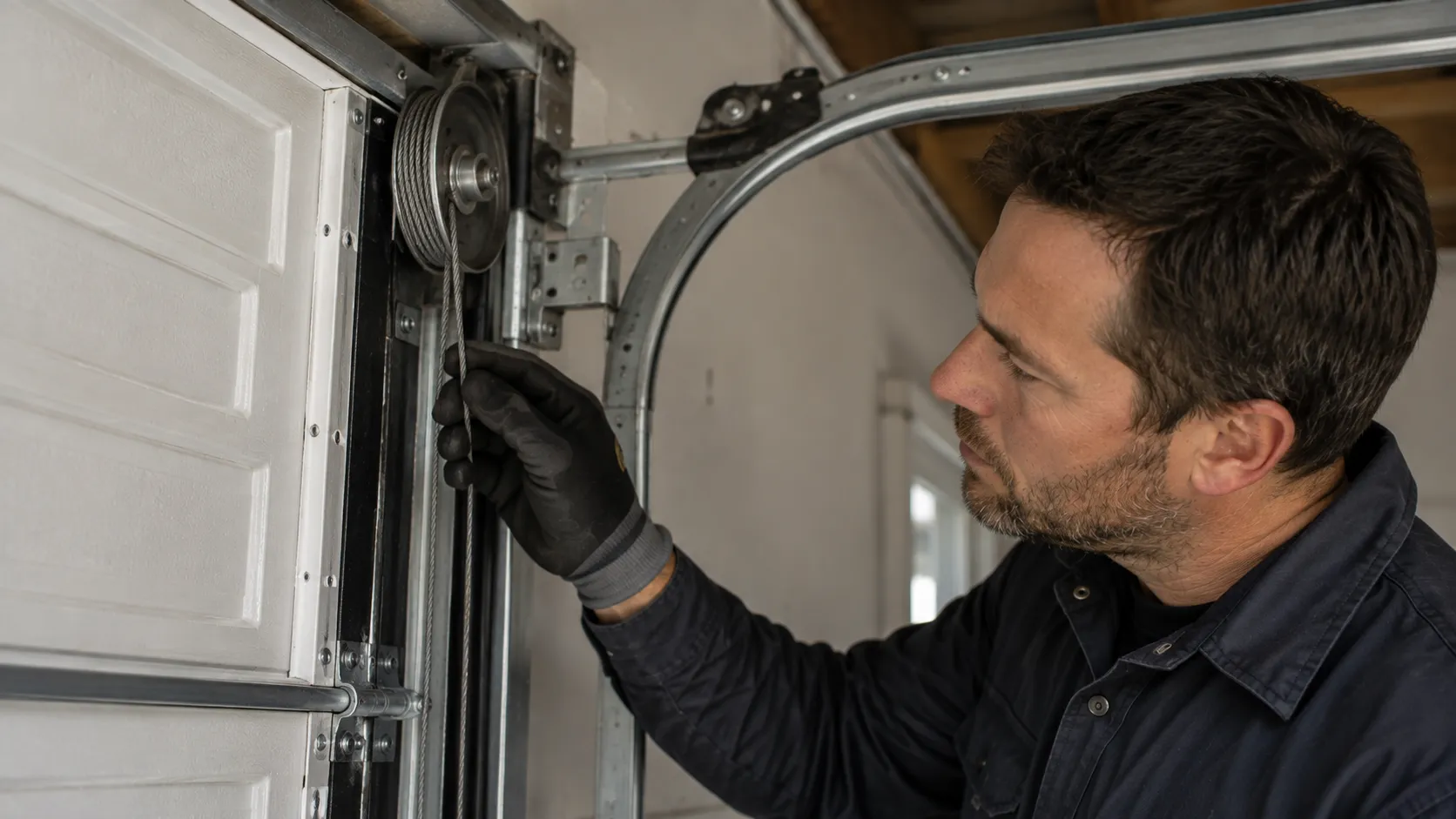
The mistake we see most is waiting for the loud bang. People treat a slow, grinding lift or a door that hangs unevenly on one side as a nuisance instead of a warning, and they keep opening it by hand or forcing the opener through the resistance until the spring lets go completely - usually while someone's halfway out the door for work. By the time it snaps, the door is often unsafe to touch, and if the house is on the older end of that 1959-2014 range, the drum and cable setup that comes with it may not be a straight swap for modern parts.
We'll be honest about the limitation here: if a spring is original to a house built in the 80s or early 90s, we often can't just replace the spring - the whole torsion assembly may need updating to work with parts we can actually stock, which adds cost and a day or two of lead time on top of the basic fix. Catching the noise before the break avoids that scramble entirely.
Questions
Common questions
Why did my spring break in cold weather when it was fine all summer?
Heat softens the lubricant packed into a torsion spring's coil, and the coil sits under thermal stress all summer without much load change. When a cold front hits, the metal contracts fast and the spring is asked to do full work with less give than it had. If it was already fatigued from years of heat cycling, that's usually when it lets go.
Is my garage door spring original to the house?
Given most houses in this area were built in the 1980s and 90s, with the overall stock spanning 1959 to 2014, there's a good chance the spring behind your door is either original or a like-for-like replacement from decades ago. If it's never been swapped, it's worth a look before the next cold stretch.
Should I repair or replace an old spring setup?
If the torsion assembly is original to a house from the 80s or early 90s, a straight spring swap sometimes isn't possible without updating the drum and cable to match current hardware. At that point full replacement usually costs less over time than repeated patch repairs on parts nobody stocks.
Ready when you are
Need a garage door sorted in Coppell?
Coppell Garage Door Co repairs and installs garage doors, springs and openers in Coppell, TX and the surrounding area.