
Spring failure age windows
That's the window where torsion springs - rated for a set number of cycles - start snapping without much warning, usually on a cold morning or after a summer of heavy use.
Keller, Coppell
Keller homes mostly went up around 1999, which means aging torsion springs and late-90s openers. Coppell Garage Door Co travels 14 miles to fix them.
Booking
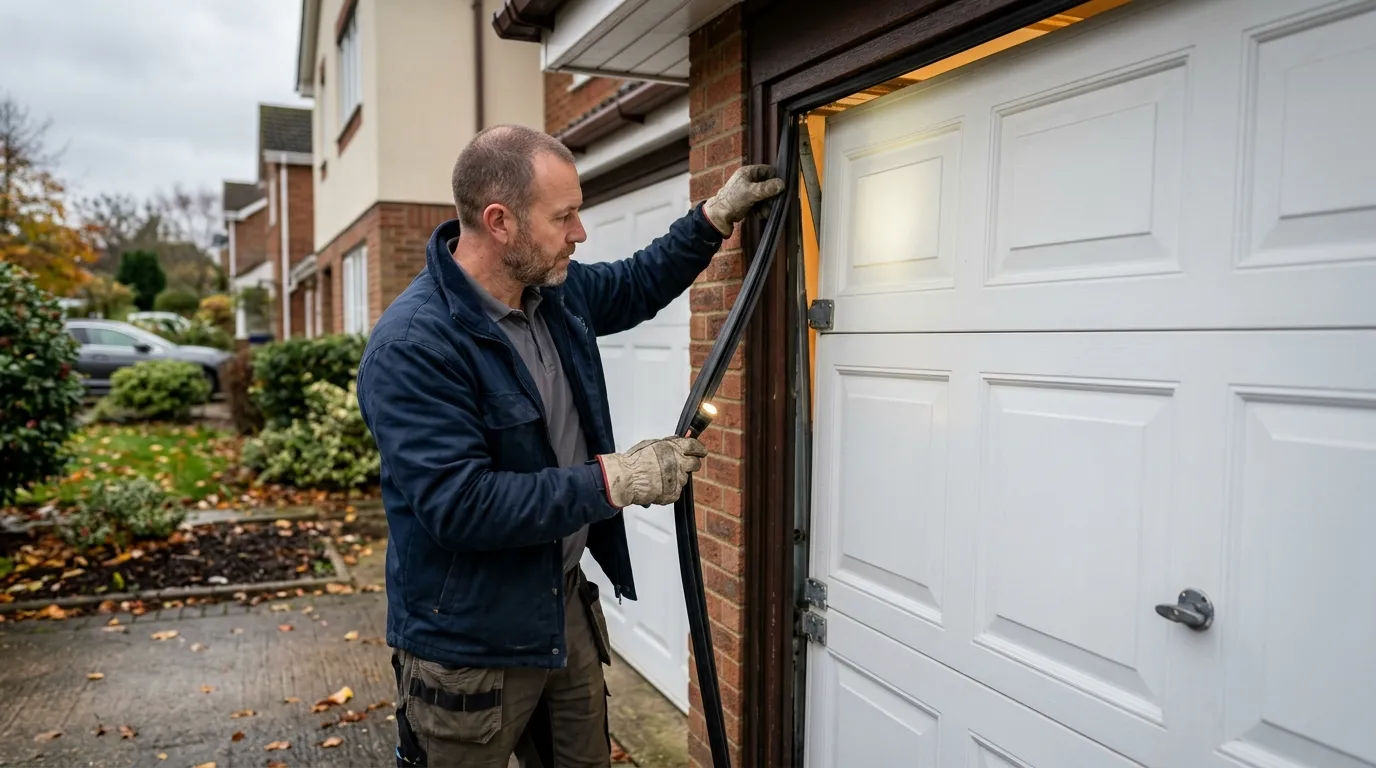
We're based in Coppell, about 14 miles from Keller, and we run jobs out this way on a scheduled basis rather than keeping a truck parked nearby. Call and tell us what the door is doing - grinding, stuck halfway, opener clicking but nothing moving - and we'll get a time on the books. We don't quote a same-day window for Keller the way we might closer to home, so if a job is truly urgent, say so when you call and we'll tell you honestly whether we can get there that day or the next. For a look at the areas around Keller we also cover, see our [near Keller](/near/keller/) page. If you're actually in Coppell itself, our [Coppell repair page](/garage-door-repair-coppell-tx) has the details for that side of the service area.
We ask for the door's age or the approximate build year of the house if you know it, plus whether it's a single or double door. That one detail - is this a torsion-spring double bay from the late 90s or something newer - changes what we load on the truck before we ever leave Coppell.
Watch-outs
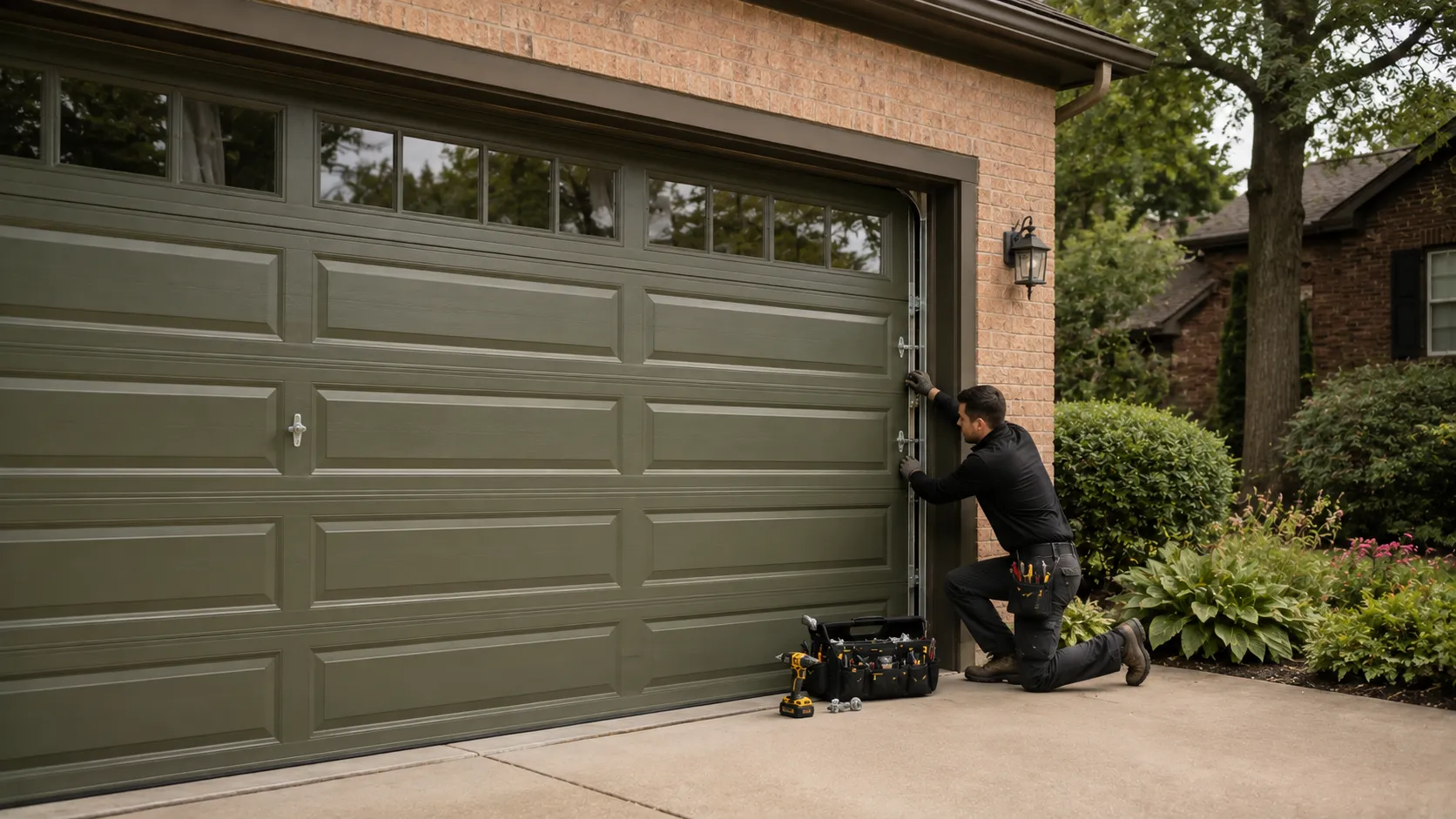
Keller's housing stock centers on a median build year of 1999, which puts a lot of these garage doors and their original openers at or past the 20-to-25-year mark.
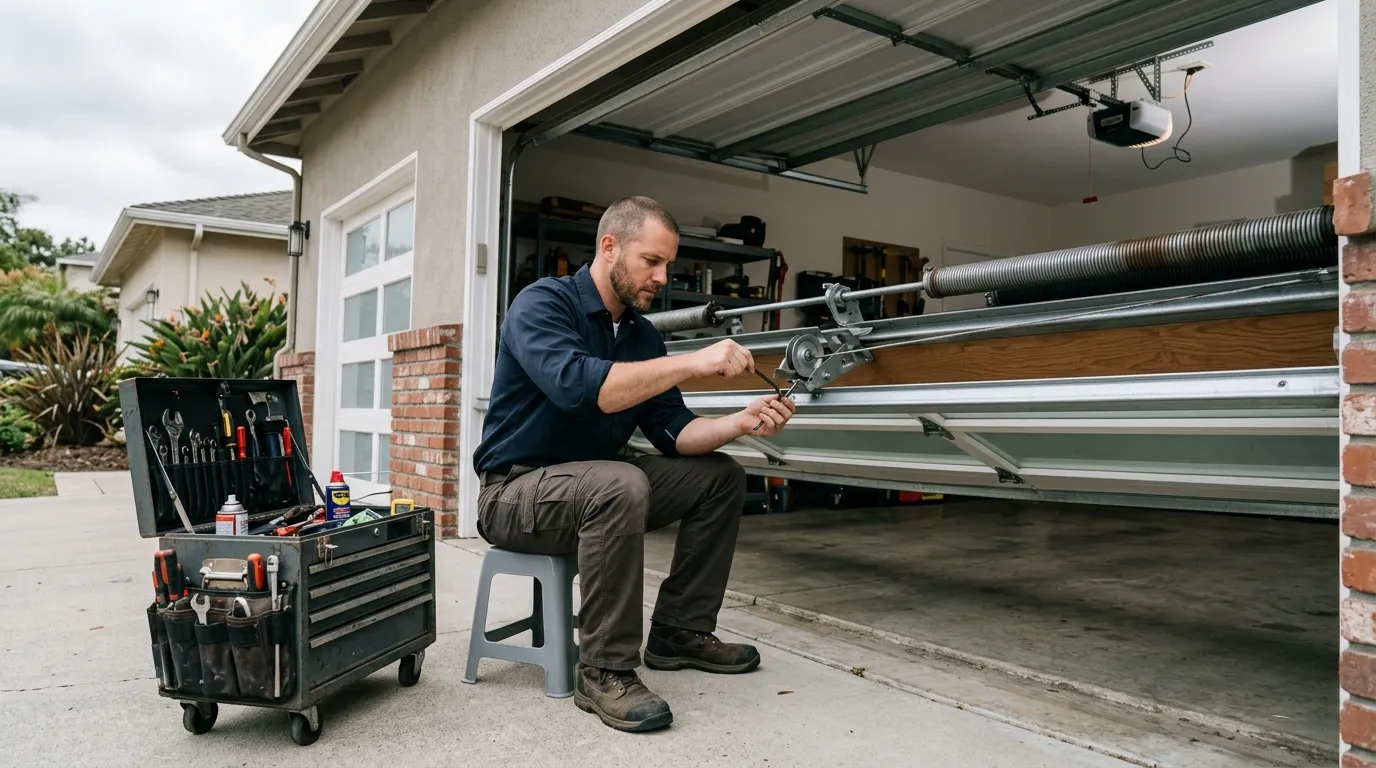
That's the window where torsion springs - rated for a set number of cycles - start snapping without much warning, usually on a cold morning or after a summer of heavy use.
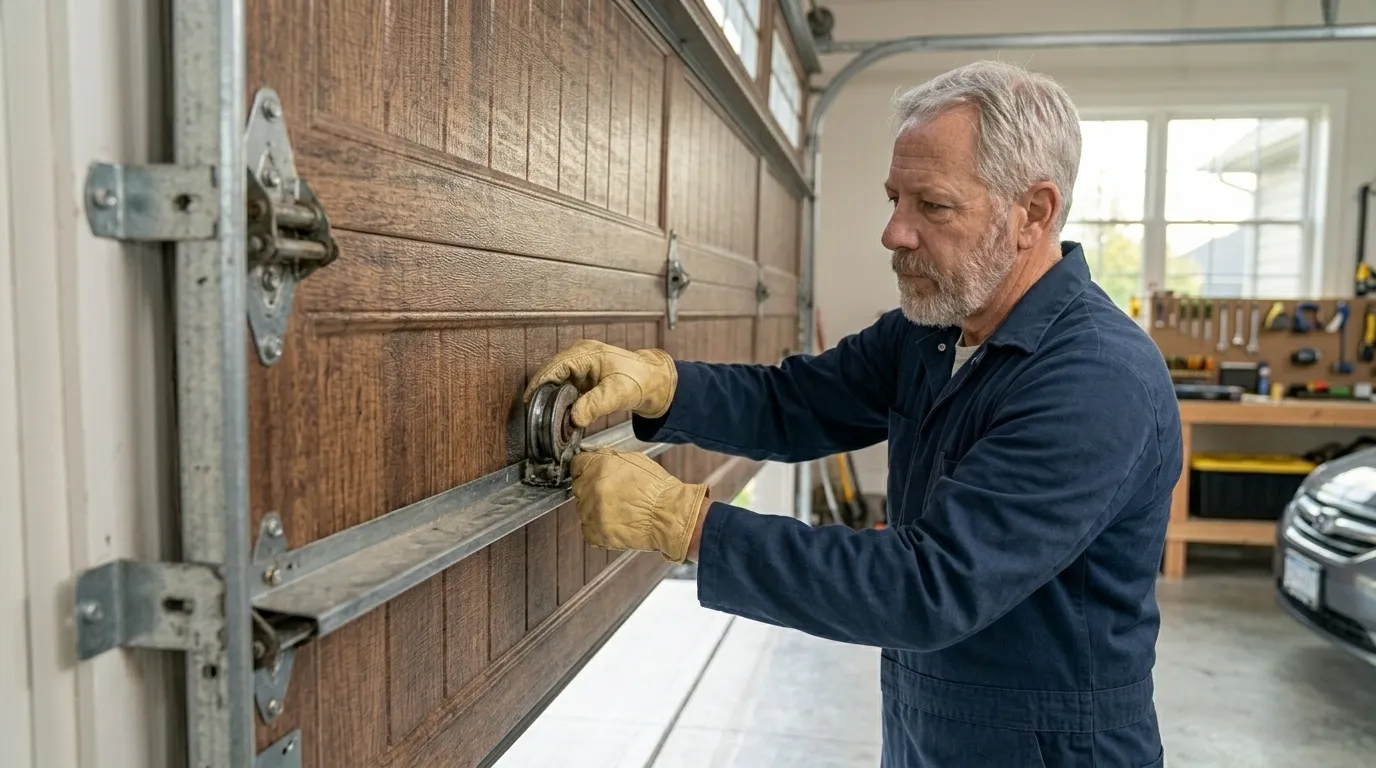
Openers from that era are also reaching the end of their gearbox life; you'll hear it before it fails outright, a grinding or slow-to-close pattern that gets worse over a few weeks. Rollers on steel tracks from a 1999-era install are usually the plain nylon kind, not the sealed-bearing type, so they wear and get noisy well before anything else on the door fails.
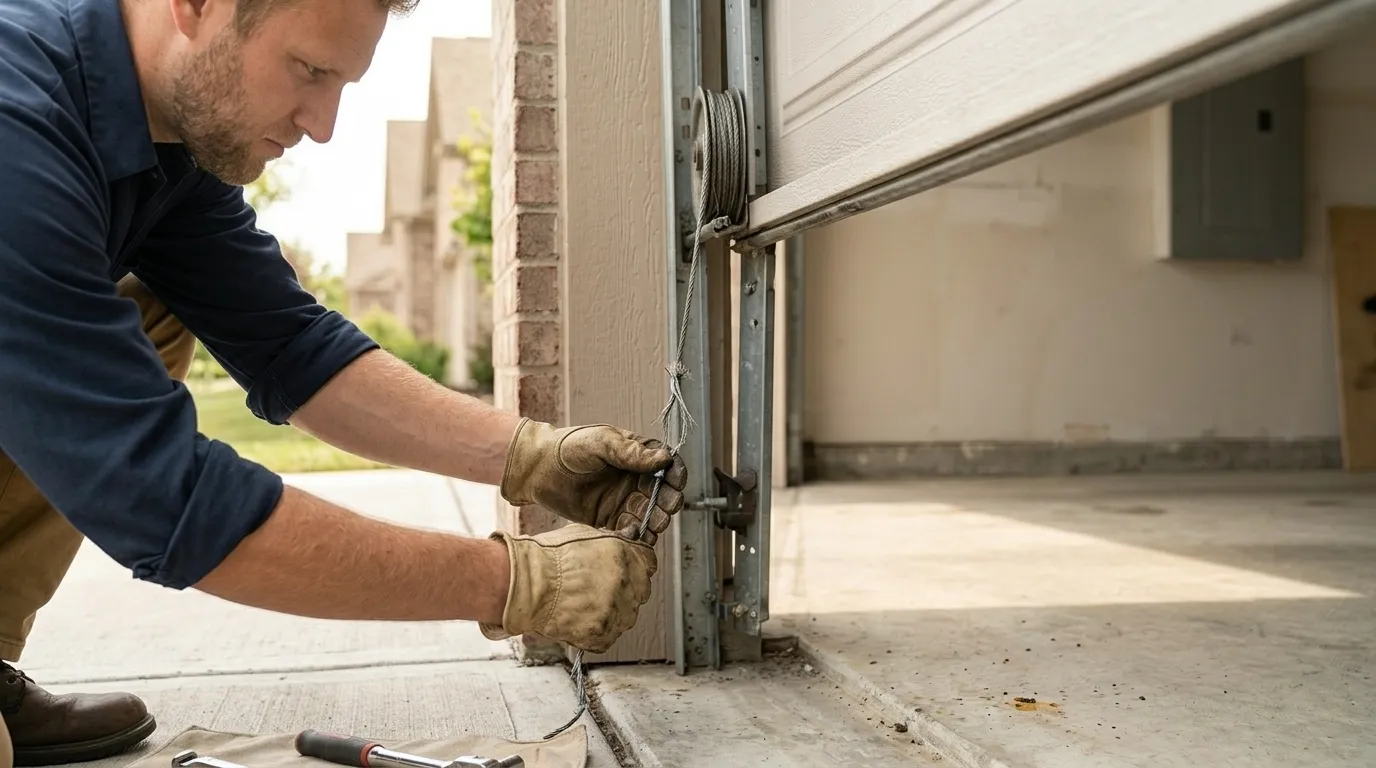
Cables fraying at the drum end show up around the same age. None of this is unique to any one house - it's just what a door built in that period is due for by now.
Local causes
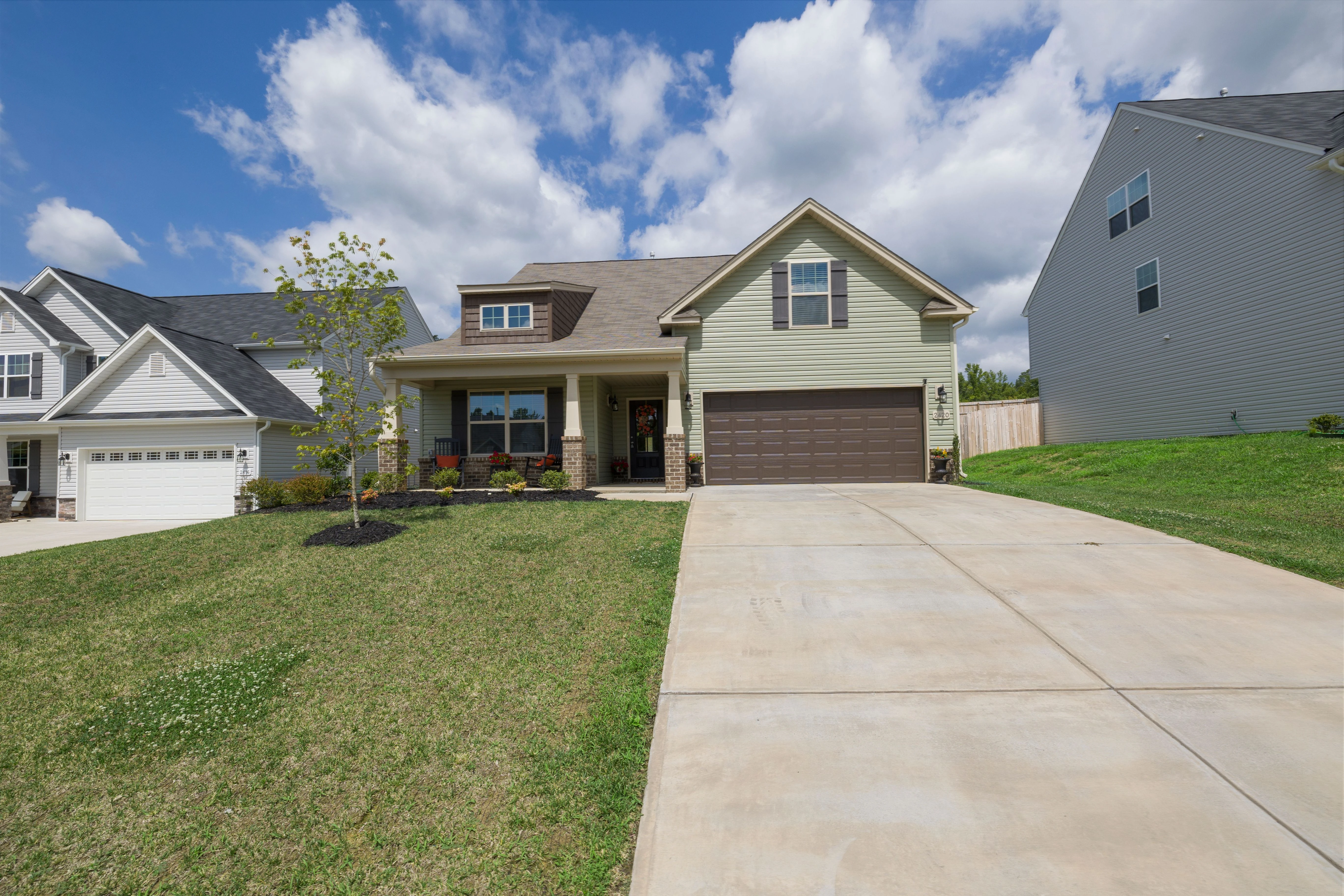
With 16,058 households in Keller and a median income of $172,654, this is a market where most garages get daily, sometimes twice-daily use - two-car households running errands, kids' activities, work commutes - and that cycle count adds up faster on a door than owners expect. A door engineered for a certain number of open-close cycles per year doesn't care how nice the house is; it just wears on schedule.
The climate here sits in a moderate-heat band, which isn't the extreme swings you'd get further south, but summer heat still dries out spring lubrication and stiffens weatherstripping over a couple of decades, and that shows up as stiffer operation and a louder cycle even before a part actually breaks.
On the truck
Because Keller's stock leans heavily toward 1990s-to-2000s construction, we carry the torsion spring sizes that match doors from that build window, along with standard 1-3/4-inch steel door hardware and the drum and cable sets that go with it.
We also carry sealed-bearing roller sets to swap in when the original nylon rollers have worn loud - most homeowners notice the difference in operation immediately. We don't carry every custom panel or insulated glass-lite option on the truck, since those are often special order regardless of the town.
If a door needs a panel that's been discontinued or a full custom replacement, that's a return trip once the part's ordered - one honest limit on same-day work.

Our process
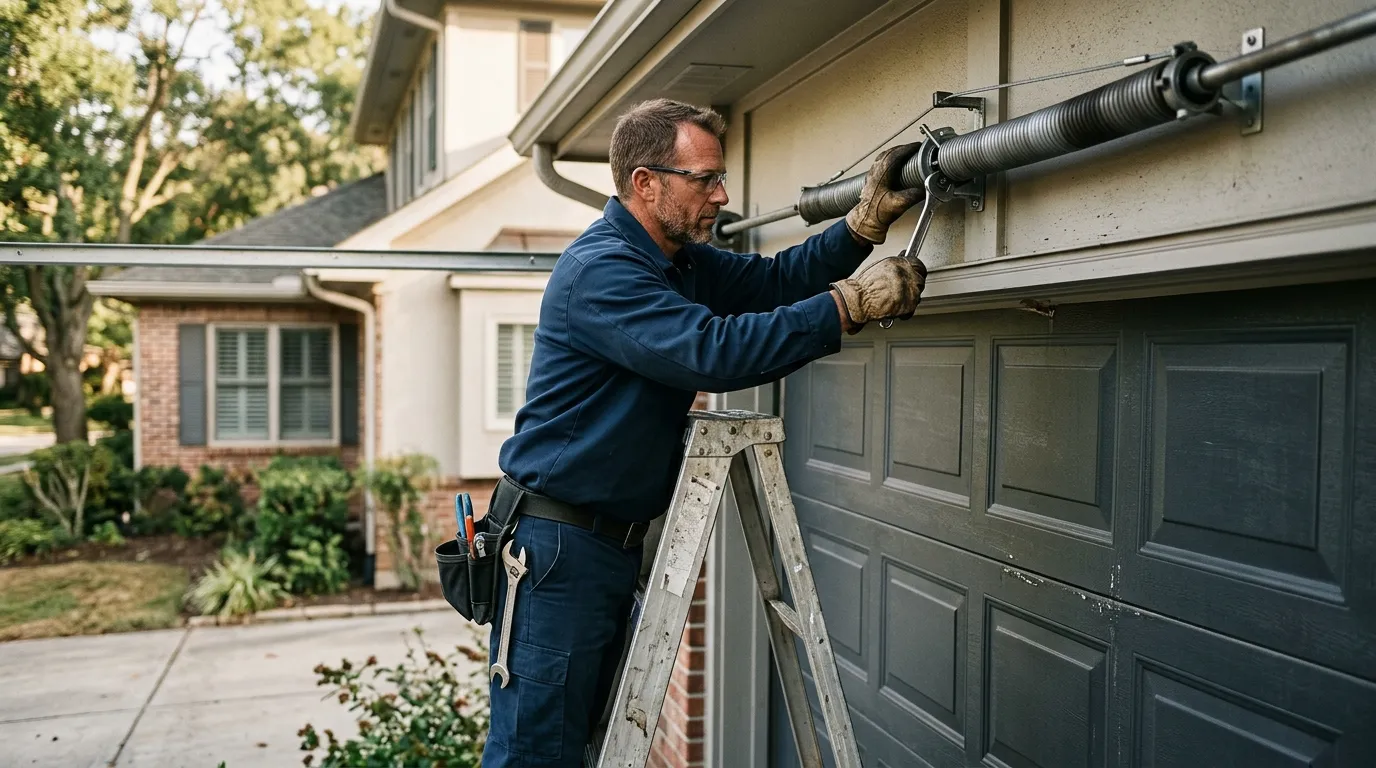
Torsion spring replacement is a same-visit job once we're on-site - we match the spring to the door's weight and wind it to the right number of turns, not a generic size. Opener issues from this era usually mean a worn gear kit or a failing capacitor rather than a full unit swap, and we'll tell you which one it is before we replace anything unnecessarily.
For cable and roller wear, we replace both sides even if only one side is showing damage, since a door built in the same year usually has both sides aging at the same rate. If a repair would cost close to what a new opener or door runs, we say so - sometimes replacement is the better call, and we'd rather tell you that up front than sell a patch that doesn't hold.
Warning signs
In a house from Keller's typical 1999-era build, the first sign is usually a slow start - the door hesitates for a second before it moves, or the opener strains audibly on the way up.
That's usually a spring losing tension, not the opener failing. A door that reverses partway up or drops fast on the way down points to a broken or badly worn cable, not the opener at all, even though the opener gets blamed first.
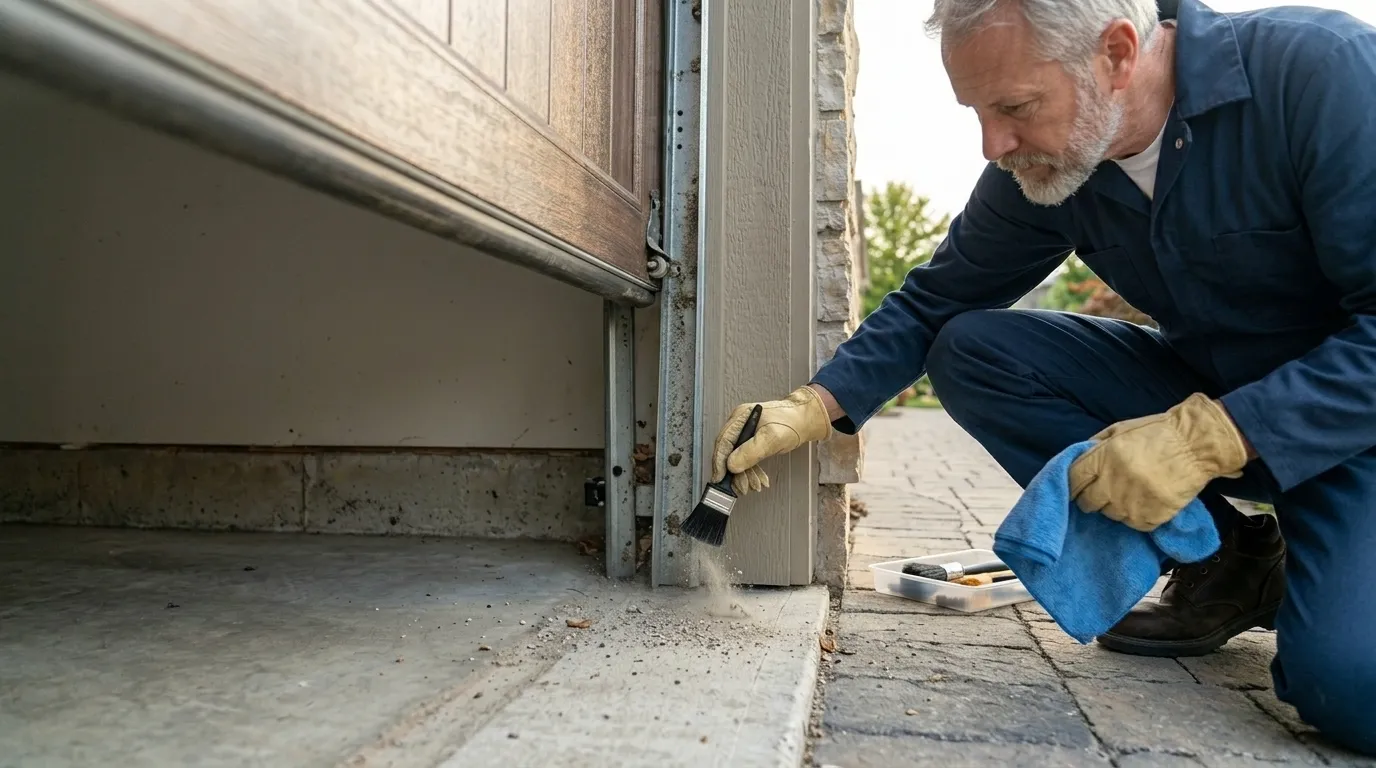
A grinding or squealing sound at a specific spot in the door's travel, rather than the whole cycle, usually means a single bad roller at that track position.
None of these are emergencies that need to wait for a truck from across town at 2 a.m. - they're wear patterns that match the age of the door, and they're worth calling about before the part actually breaks.
Questions
About 14 miles. We don't keep a truck stationed in Keller, so jobs here are scheduled rather than immediate same-day dispatch. If the repair is urgent, tell us when you call and we'll be upfront about whether we can get there that day.
Not a problem by itself, but it means the spring and opener are likely near or past their rated life. Median build year in Keller is 1999, which puts a lot of doors and openers right in the window where springs snap and gearboxes wear out.
We carry torsion springs, cables, and roller sets sized for the 1990s-2000s door hardware common in Keller. Custom panels or discontinued parts sometimes need to be special-ordered, which means a second visit once the part arrives.
Explore more
Ready when you are
Coppell Garage Door Co repairs and installs garage doors, springs and openers in Coppell, TX and the surrounding area.