Coppell, TX

What Garage Door Maintenance Actually Covers in Coppell

Coppell homes built mostly in the 1980s and 90s show specific spring and opener wear. Coppell Garage Door Co explains what maintenance actually prevents.

What Garage Door Maintenance Actually Covers in Coppell in Coppell
Serving Coppell, TXBackground-checked techsHonest, upfront pricingFast local response
1959–2014
Typical build years of local homes
56K
Owner-occupied homes in the area
88K
Households in the area
$146K
Median household income

DIY or pro

The DIY Question

Most of what keeps a garage door running smooth is simple: clean tracks, lubricated rollers and hinges, and a spring that's still carrying its rated tension.

DIY-safe lubrication

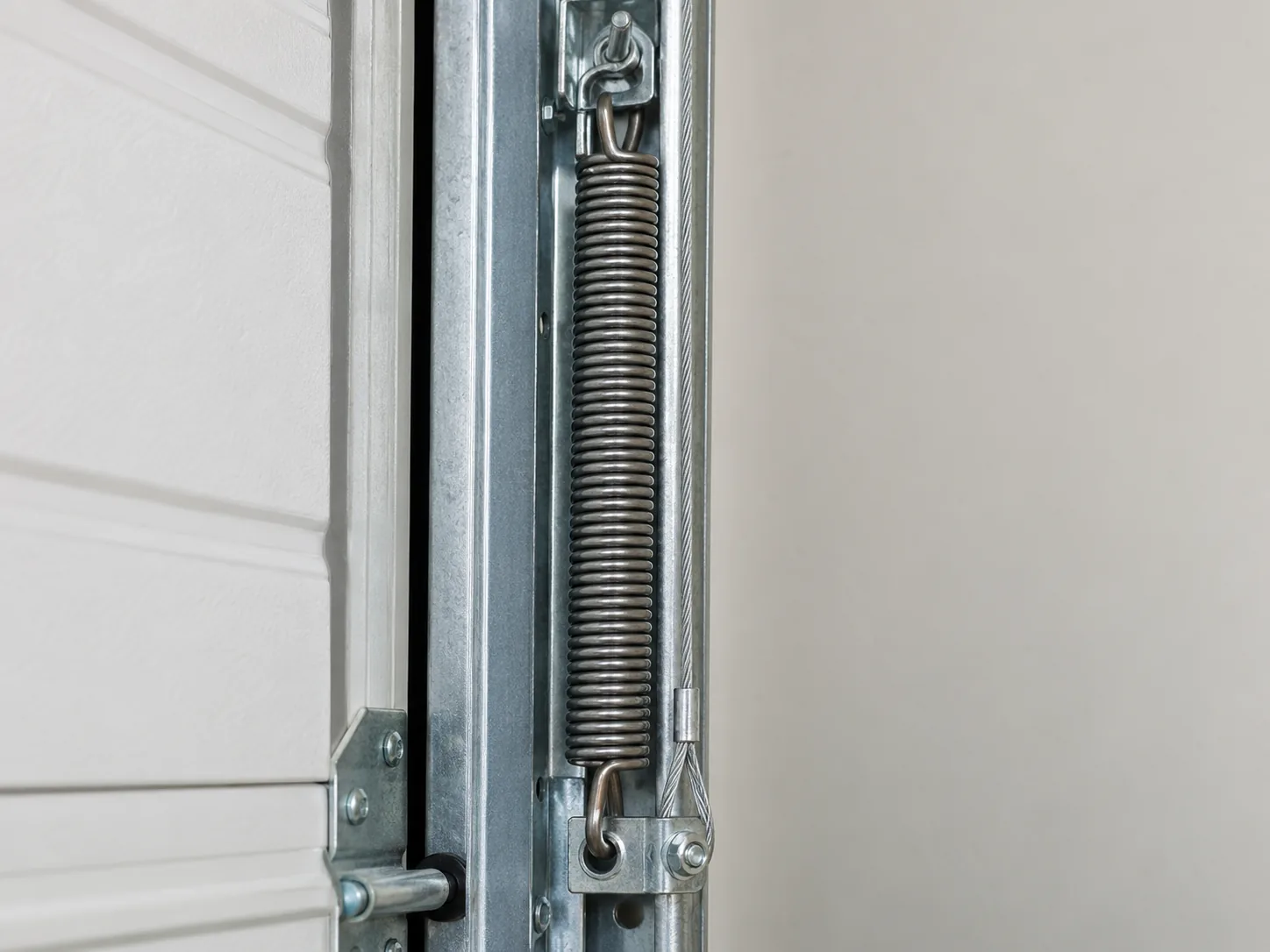
A homeowner can handle wiping down tracks and putting garage-door-specific lubricant on rollers and hinges every few months. What you shouldn't touch is the torsion spring itself - winding or unwinding it under tension is how people lose fingers, not an exaggeration. Housing in this service area was built mostly between 1959 and 2014, with the bulk of it going up in the 1980s and 90s, so a lot of these doors are running original torsion springs and openers that are decades past their rated cycle count.
Spring self-service limitations

If your door is from that era and nobody's touched the spring since the house was built, that's not a job for a Saturday afternoon and a ladder. Where DIY makes sense: cleaning debris out of the track, checking that the door reverses when it hits resistance, and listening for new grinding or popping sounds.

Maintenance versus repair

Where it doesn't: anything involving the spring, the cable, or the opener's internal gearing. We'd rather get a call before something snaps than after. That's the honest limitation here - we can't make a thirty-year-old spring safe to self-service just because a video makes it look easy.

Our process

How We Fix It

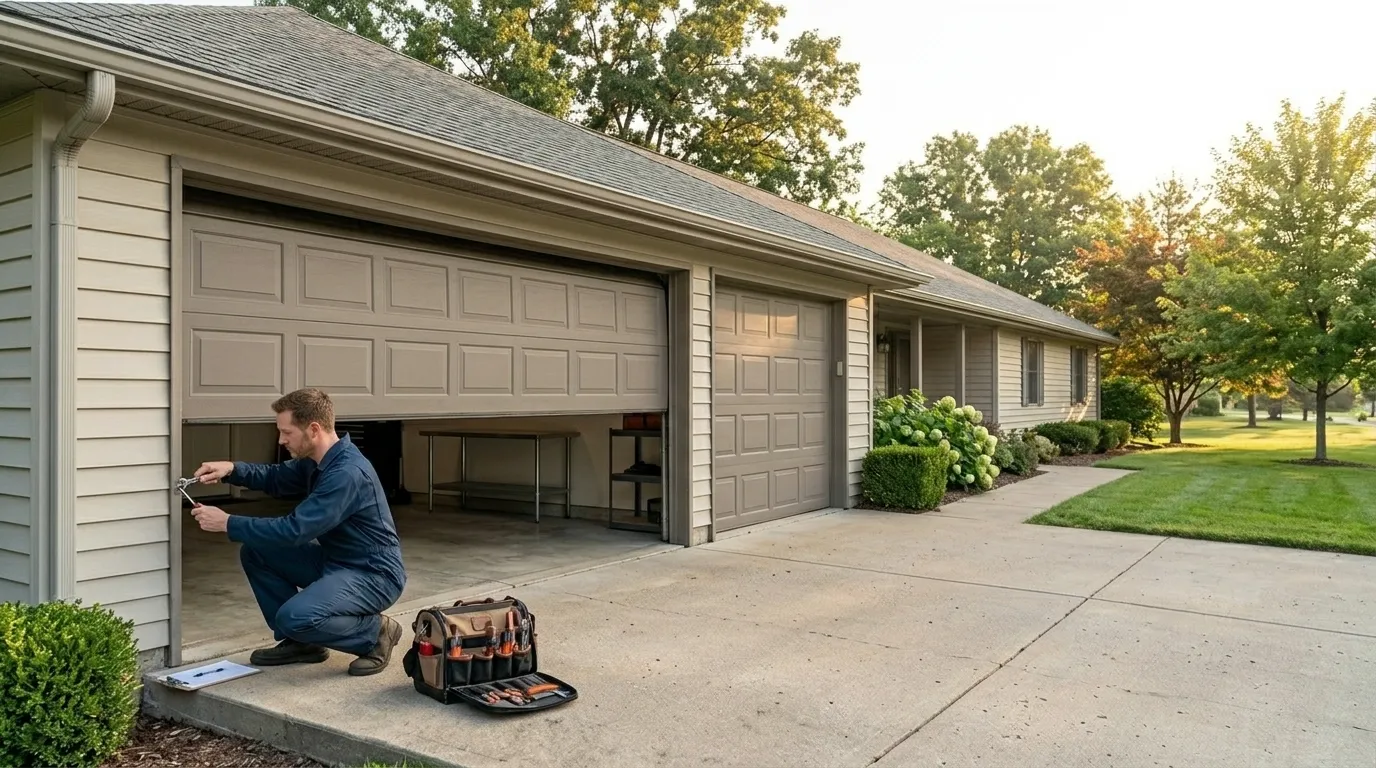
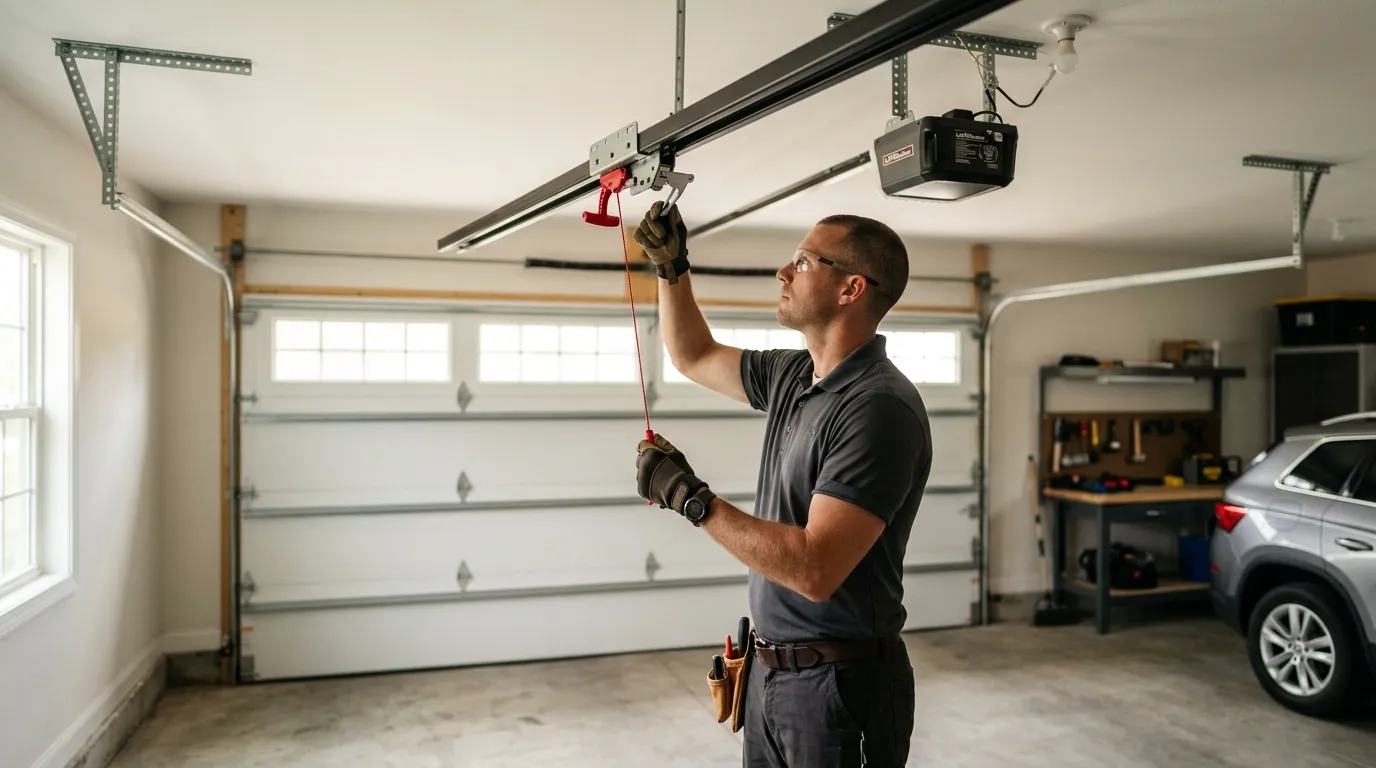
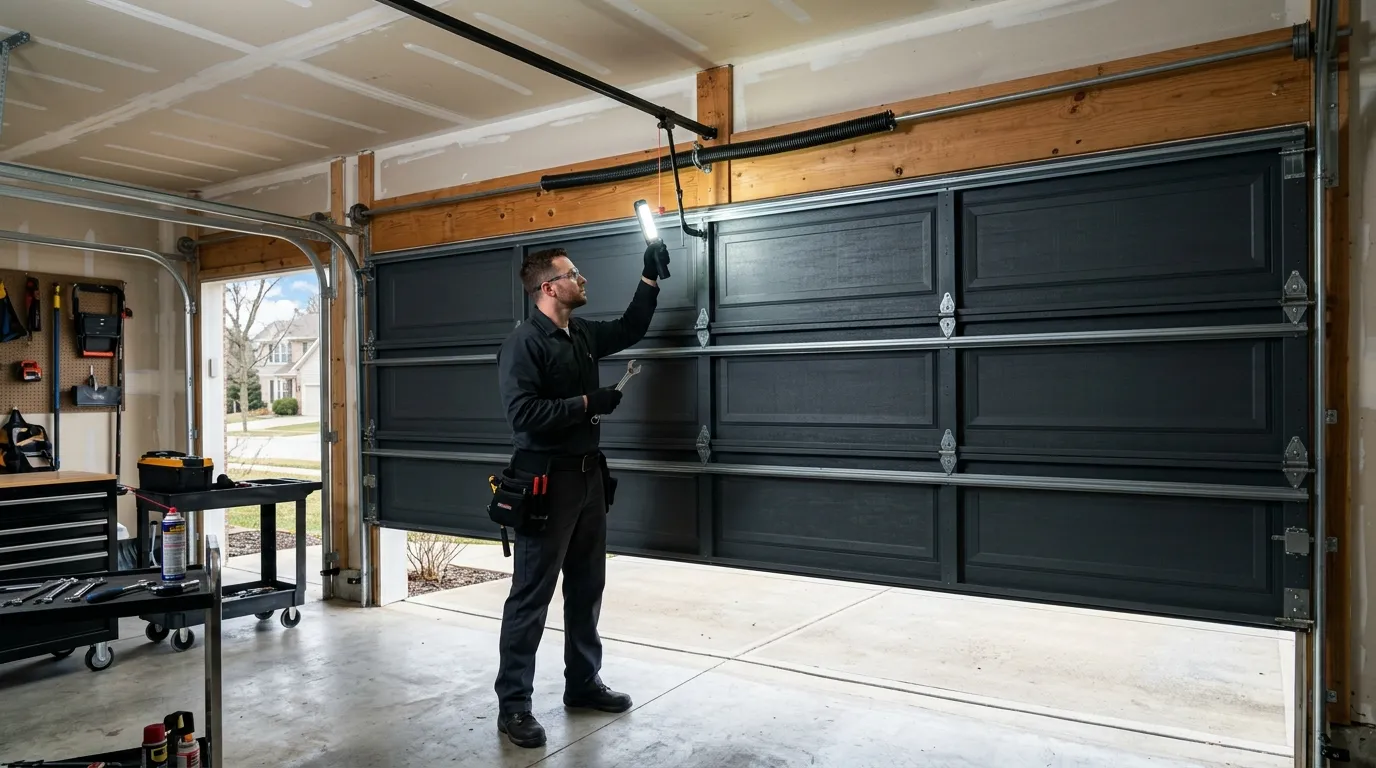
A maintenance visit isn't a once-over with a grease gun. We check spring tension and balance the door by hand, inspect cables and pulleys for fraying, tighten the lag bolts and hinges that work loose from years of vibration, lubricate rollers and the opener's chain or belt drive, and test the opener's force and travel limits so it isn't straining the motor to close.

  1. Heat and lubricant breakdown

    In a climate band classified as moderate heat, lubricant on rollers and hinges breaks down faster than in a cooler region, and dust settles into that breakdown residue, which is most of what turns a quiet door into a grinding one.

  2. Wide service area patterns

    We serve a wider area of 87,582 households and 55,758 owner-occupied houses, stretching from Farmers Branch seven miles out to Keller fourteen miles out, so we see the same failure patterns repeat across a lot of driveways.

  3. Major component replacement

    What we don't do on a maintenance call is replace major components; if a spring or opener is already failing, that's a repair estimate, not a tune-up, and we'll tell you straight rather than pad the invoice. Most visits run through the whole door system in under an hour, and we'll flag anything that's close to failing so you're not guessing.

Warning signs

How It Shows Up

Neglect doesn't announce itself. It shows up as a door that hesitates a half-second before it starts moving, or one side dropping faster than the other on the way down because a cable's stretched unevenly.

Mechanical wear progression

You'll hear it before you see it - a new squeal on the up-stroke, a clunk when the door reaches the top, an opener that sounds like it's working harder than it used to.

Opener strain indicators

Openers installed alongside houses from the 1980s-90s stock common across this area often start showing strain first, since the motor's been carrying an aging spring's slack for years without anyone noticing.

Half-open hesitation

Some owners notice the door only opens partway before the opener gives up and reverses; that's usually the force setting compensating for a spring that's lost tension, not an opener defect. Left alone, none of this fixes itself. A door that's hesitating today is a door that won't open at all in six months, usually on a morning when you're already late.

Local causes

Why It Happens Here

Housing stock across the 22 named areas in this service region skews toward the 1980s and 90s, with construction stretching from 1959 up through 2014. That range matters because torsion spring life is measured in cycles, not years, and a spring installed when a house was built in, say, 1988 has had over three decades to rack up open-close cycles without a mid-life replacement. Add a moderate-heat climate band, and you get steady thermal cycling on metal hardware and faster breakdown of any lubricant that was never reapplied. With median household income in the service area over $146,000, a lot of these houses have single- or two-car garages seeing regular daily use - more cycles per year than a rarely-used detached garage. None of this is dramatic; it's just wear that happens quietly until a spring lets go or an opener burns out its gearing. Regular maintenance doesn't stop a spring from ever failing - nothing does, they're rated for a finite number of cycles - but it catches the ones that are close before they fail on you at the worst possible moment.

Why It Happens Here

Questions

Common questions

How often should I get my garage door serviced?

There's no single number that fits every door - it depends on how many cycles a day it sees and how old the spring and opener are. A door on a house built decades ago with its original hardware needs a look sooner than a recently replaced system. If it's been years since anyone checked the spring tension or lubricated the track, that's reason enough to schedule a visit.

Is it worth fixing an old opener or should I replace it?

Depends what's wrong with it. If it's the force settings or a worn drive belt, that's a repair. If the motor's straining because it's been compensating for a weak spring for years, sometimes the opener's fine once the spring's addressed. We'll tell you which one it is rather than sell a new opener when a spring adjustment solves it.

Can I do garage door maintenance myself?

Some of it, yes - wiping down tracks, lubricating rollers and hinges, checking that the door reverses on resistance. Don't touch the torsion spring or the cables under tension; that's not a DIY job regardless of what a video makes it look like. If your hardware is original to a house built in the 1980s or 90s, get it checked before doing anything yourself.

Ready when you are

Need a garage door sorted in Coppell?

Coppell Garage Door Co repairs and installs garage doors, springs and openers in Coppell, TX and the surrounding area.

Call Now(469) 796-3144