
Gear stripping and belt wear
Check the safety sensor eyes at the bottom of the track; a knocked-loose sensor blinks the same fault light as a dying board, and that's a five-minute fix, not a parts order.
Highland Village, Coppell
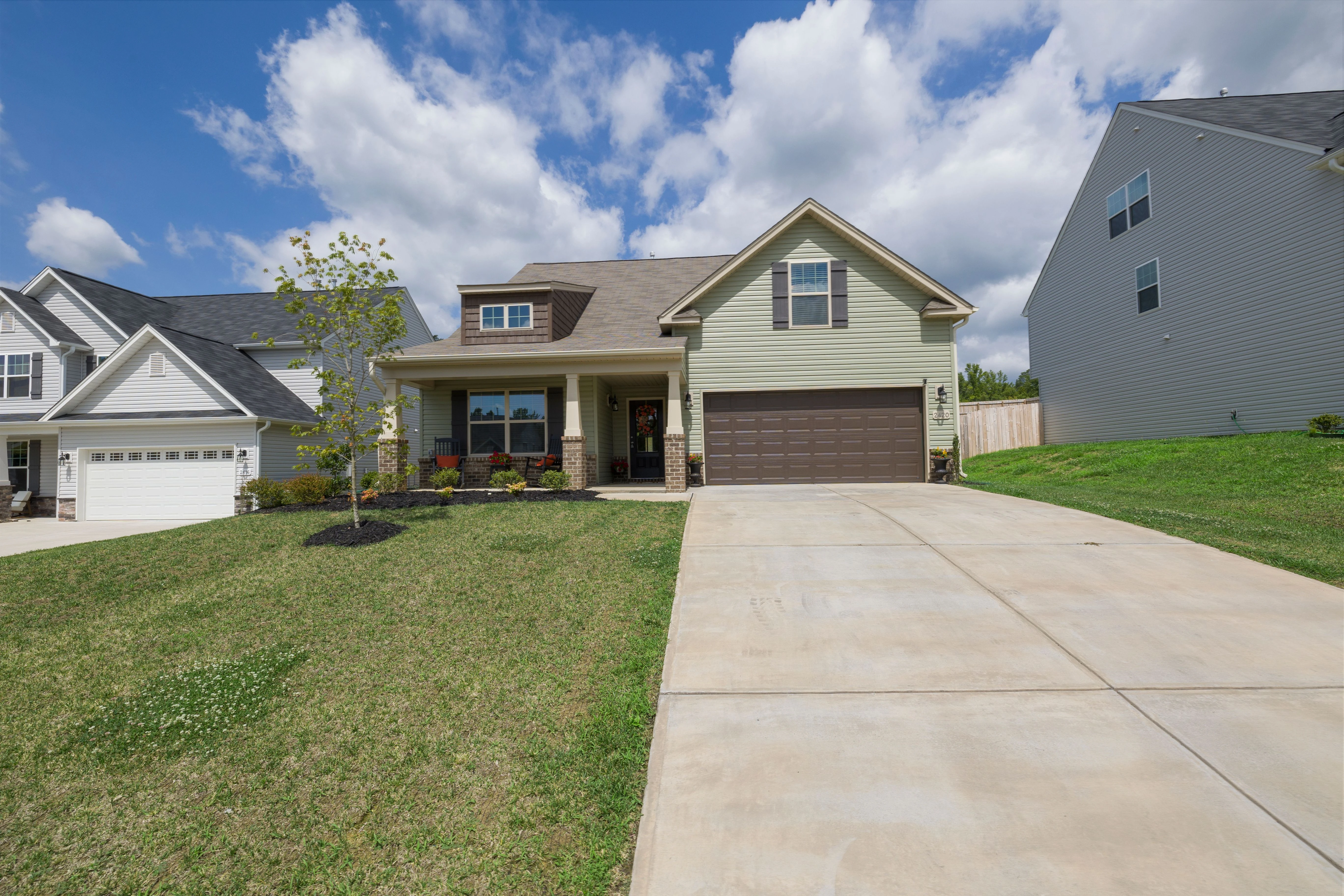
Highland Village's houses date mostly to 1993, older chain-drive openers with aging boards. Coppell Garage Door Co repairs them, 10 miles from Coppell.
Our process
Coppell sits on housing built between 1959 and 2014, with a citywide median around 1999. Highland Village runs about six years older on average, closer to 1993.
That gap matters for openers: a house from 1993 is more likely to still be running its original chain-drive unit, or a first replacement from the late 90s, rather than a belt-drive with a smart-home board. We start every call the same way regardless of the town, but what we expect to find changes.
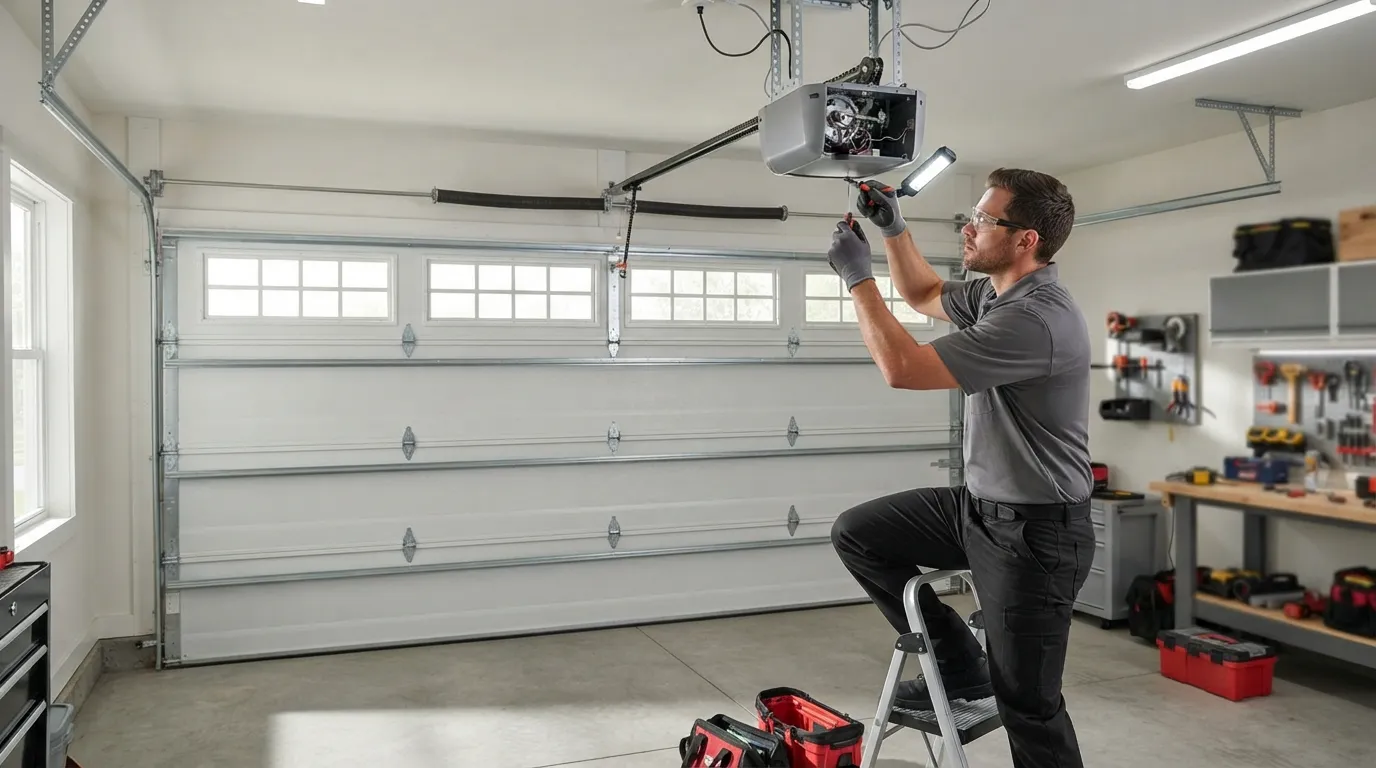
On a 1993-era opener we're checking the drive gear for stripped teeth, testing the capacitor that runs the motor start, and looking at the logic board for heat damage before we ever touch the springs or track.
If the board itself has failed, we test the transformer and the circuit separately, because on units this age it's common for one to go without the other. We diagnose on site and tell you straight whether it's a part swap or whether the unit's done.
Booking
We run out of Coppell, about 10 miles from Highland Village, so we schedule the job rather than dispatch a truck that happens to be nearby. Call and describe what the opener is doing - light blinking, motor humming with no movement, remote not reaching the door - and we'll tell you what to expect before we drive out. You can see the rest of what we cover from Coppell at /garage-door-opener-repair-coppell-tx, and the areas around Highland Village we also reach at /near/highland-village/. There's no same-day guarantee built into this - we're honest that travel time is part of the job here, not an afterthought.
Warning signs
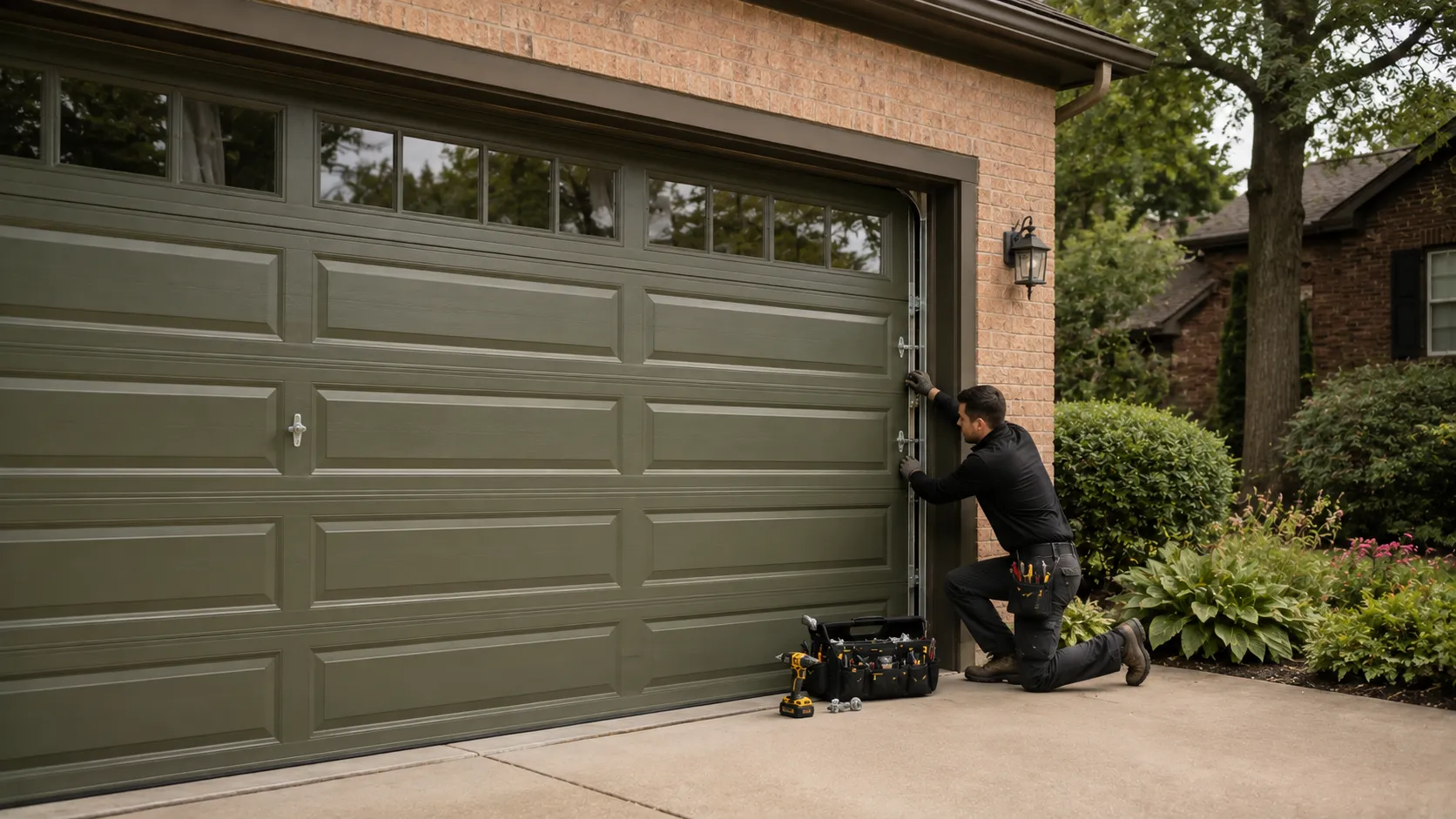
On the older openers common in this part of town, failure rarely announces itself as a dead motor. More often the motor runs and the door doesn't move - that's a stripped nylon gear inside the housing, a known weak point on units from the early-to-mid 90s that have logged two decades of cycles. Sometimes the unit fires the motor but the light blinks in a pattern instead of running normally; that's the board reporting a fault code, and on this era of hardware the code sheet is usually taped inside the housing cover if it hasn't fallen off. Remote range dropping to a few feet before the door even opens usually isn't the remote - it's the receiver antenna or the board losing power delivery, which under Texas summer heat shows up more on older capacitors than on newer ones.
DIY or pro
Some of this you can check yourself before calling anyone. Press the wall button - if the motor runs at all, you've ruled out the outlet and the breaker.
Check the safety sensor eyes at the bottom of the track; a knocked-loose sensor blinks the same fault light as a dying board, and that's a five-minute fix, not a parts order.
What you shouldn't do is open the motor housing and start testing the capacitor or board yourself - line voltage runs through there even with the unit unplugged, in the stored charge.
And if the gear inside is stripped, replacing just that gear on a unit this old means opening a housing that wasn't built to be serviced twice; often it's cheaper and more reliable to replace the whole opener than to keep feeding an old chassis new parts.
Watch-outs
The most common misdiagnosis on a house from this era is blaming the motor when the actual failure is the capacitor or the board. They can look identical from the symptom - humming, no movement - and guessing wrong means paying for a part that doesn't fix it. Heat is a real factor here too: an attached garage that sits in direct sun through a Texas summer runs hotter than the rest of the house, and heat is what kills capacitors and cooks logic boards years before their time. We've also seen homeowners get sold a full opener replacement when the actual fix was a fifteen-dollar gear kit - worth getting a second look if a quote jumps straight to full replacement without explaining why the board or motor is confirmed bad.
On the truck
We carry the parts that fail most on the openers common to houses from this build era - drive gears, start capacitors, control boards for the major brands still supporting units from the 90s, and standard safety sensor kits. What we don't carry is every board for every discontinued model. Some manufacturers stopped making boards for units built before the mid-90s years ago, and if yours is one of them, we'll tell you on site rather than order a part that may take weeks to source or may not exist anymore. In that case replacement is usually the honest answer, and we'll say so instead of stringing along a repair that won't hold.
Questions
That blinking is a fault code, not a random glitch. On openers from the 90s it usually means a misaligned safety sensor or a board reporting low voltage. Check the two sensor eyes near the floor first - if they're not lined up and glowing steady, that's often the whole problem, and it costs nothing to fix yourself.
Depends what's failed. A stripped gear or a bad capacitor is a straightforward, worthwhile repair. A dead board on a unit whose manufacturer no longer stocks parts for it usually isn't - you'd be paying repair-level money for a part that may not be available or may fail again soon after.
We're based in Coppell, about 10 miles from Highland Village. We schedule the visit rather than dispatch on a rolling basis, so call ahead and describe the symptom before you expect a truck at the door.
Yes. Capacitors and circuit boards degrade faster in a garage that runs hot through the summer, especially attached garages facing direct sun. It shows up as intermittent failures before a full breakdown - the unit works some days and not others, which is a heat-stressed part on its way out.
Explore more
Ready when you are
Coppell Garage Door Co repairs and installs garage doors, springs and openers in Coppell, TX and the surrounding area.