
Pulley wheel fork brackets
We also carry pulley wheels and the fork brackets they hang from, since those pulleys take the wear on an extension-spring door and are usually the first thing to squeal or seize. We carry photo-eye sensor kits too.
University Park, Coppell
Garage door maintenance for University Park, TX homes built around 1987. Coppell Garage Door Co travels 14 miles to service original springs and openers.
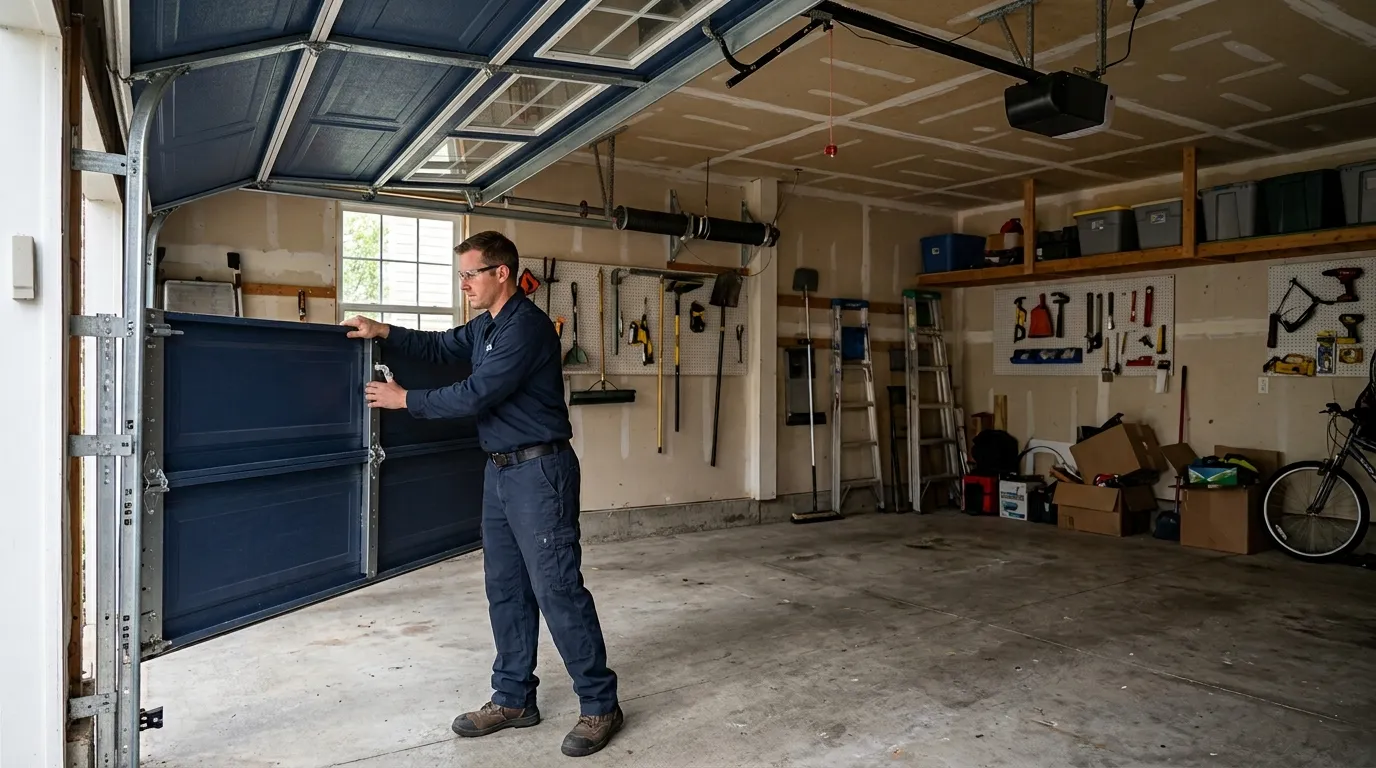
Booking
University Park's housing stock centers on a median build year of 1987, a good decade earlier than the 1999 median across the wider Coppell service area we cover. Doors going up in the late 1980s shipped standard with extension springs riding the horizontal track above the door, not the torsion bar hardware that's been the norm on new builds for years now. That difference matters when you're scheduling a tune-up, because the inspection list is different from what we run on a house built in 2005.
We don't keep a branch in University Park - every visit starts as a 14-mile trip out from Coppell, so we build drive time into how we route the day rather than promising a same-hour arrival. Book through the [University Park service page](/near/university-park/), and tell us the door's age if you know it; that one detail changes which parts we pull before we leave the shop. If your street sits closer to the DFW-area feeder roads, mention that too, since it can shift the route.
For the full rundown of what maintenance covers across the whole service area, that lives on our [main maintenance page](/garage-door-maintenance-coppell-tx), not here - this page is about what changes once you're the specific house behind University Park's numbers.
On the truck
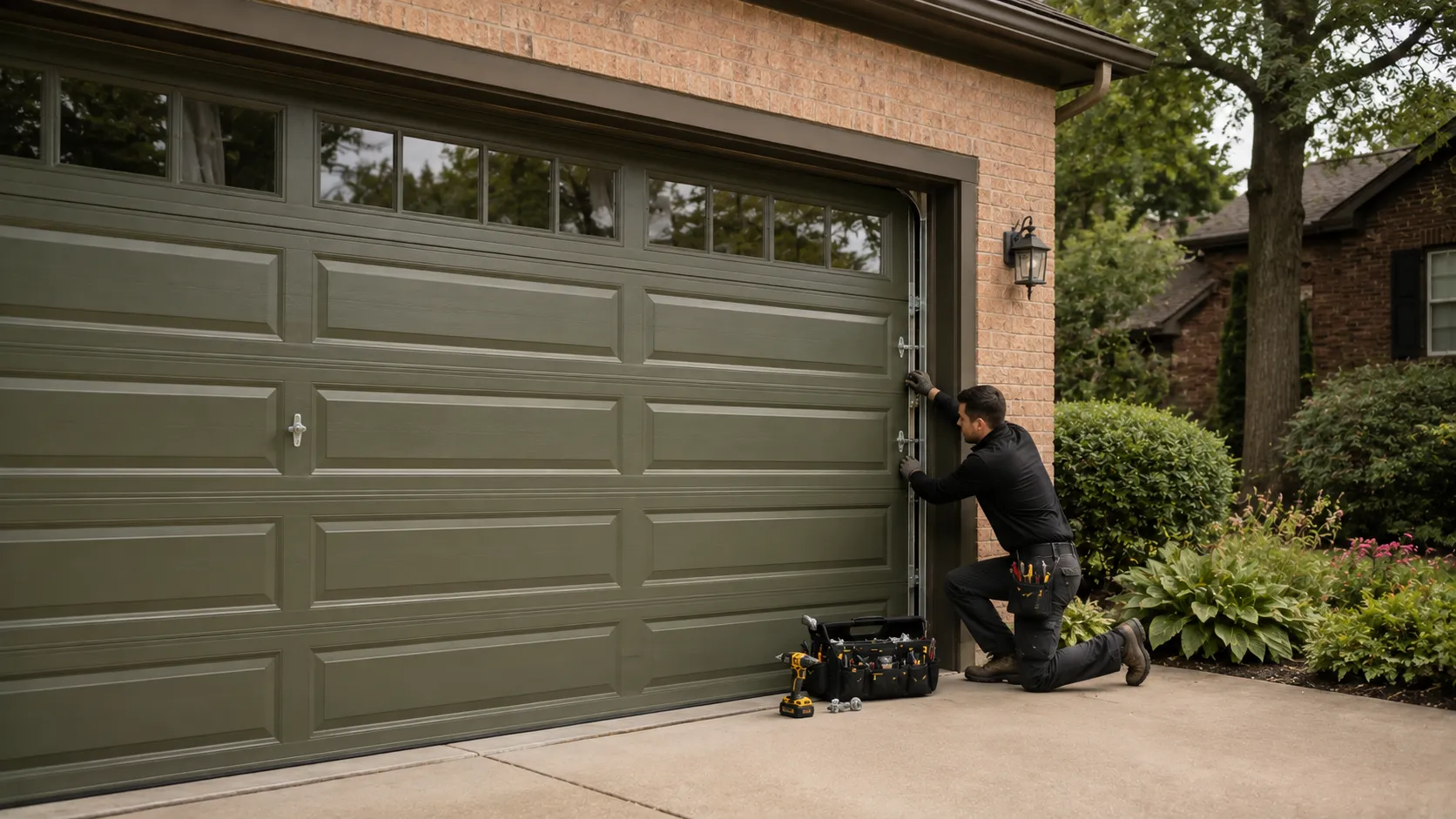
For a neighborhood running on late-1980s stock, the truck carries extension spring sets and the safety cables that thread through them - a part a lot of newer trucks stop stocking once an area's homes shift to torsion bar.
We also carry pulley wheels and the fork brackets they hang from, since those pulleys take the wear on an extension-spring door and are usually the first thing to squeal or seize. We carry photo-eye sensor kits too.
Openers installed before the early 1990s often predate the federal auto-reverse mandate, and a lot of University Park garages still have the original unit bolted to the ceiling. Retrofitting sensors onto an old opener is possible if the housing takes it; sometimes it isn't, and we'll tell you that on site rather than force a part that doesn't fit.
What's not on the truck: replacement panels for a specific door model from the late '80s. Steel door styles from that era vary enough between manufacturers that we source panels after we've seen the door, not before - a call ahead with a photo saves a second trip.
Pricing
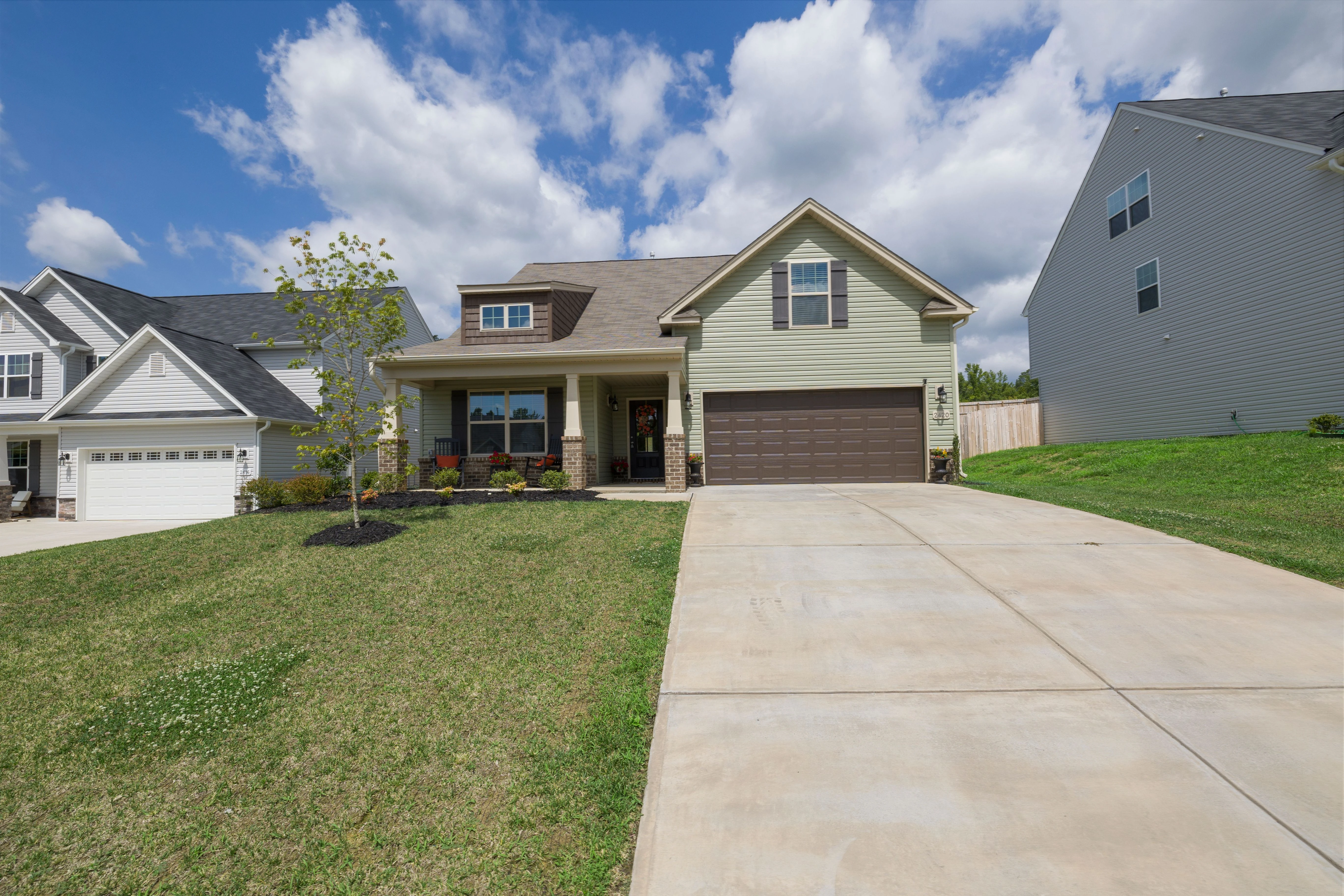
We don't post flat prices here because a tune-up on an extension-spring door with an original 1980s opener runs a different bill than one on a torsion-bar door with a newer unit, and University Park has more of the former than the newer sections of the service area do.
At a median household income of $250,001, University Park sits well above the $146,314 median across the rest of the Coppell service area, and in practice that shows up less in what people are willing to pay and more in what they ask for - full tune-ups covering the opener, sensors, and hardware rather than a single squeaky roller fixed and left at that.
The 14-mile trip from Coppell is factored into the quote you get before we start, not added after. If a part needs sourcing because of the door's age, we say so on the call - we'd rather tell you the job takes a second visit than guess at a part number over the phone and get it wrong.
Our process
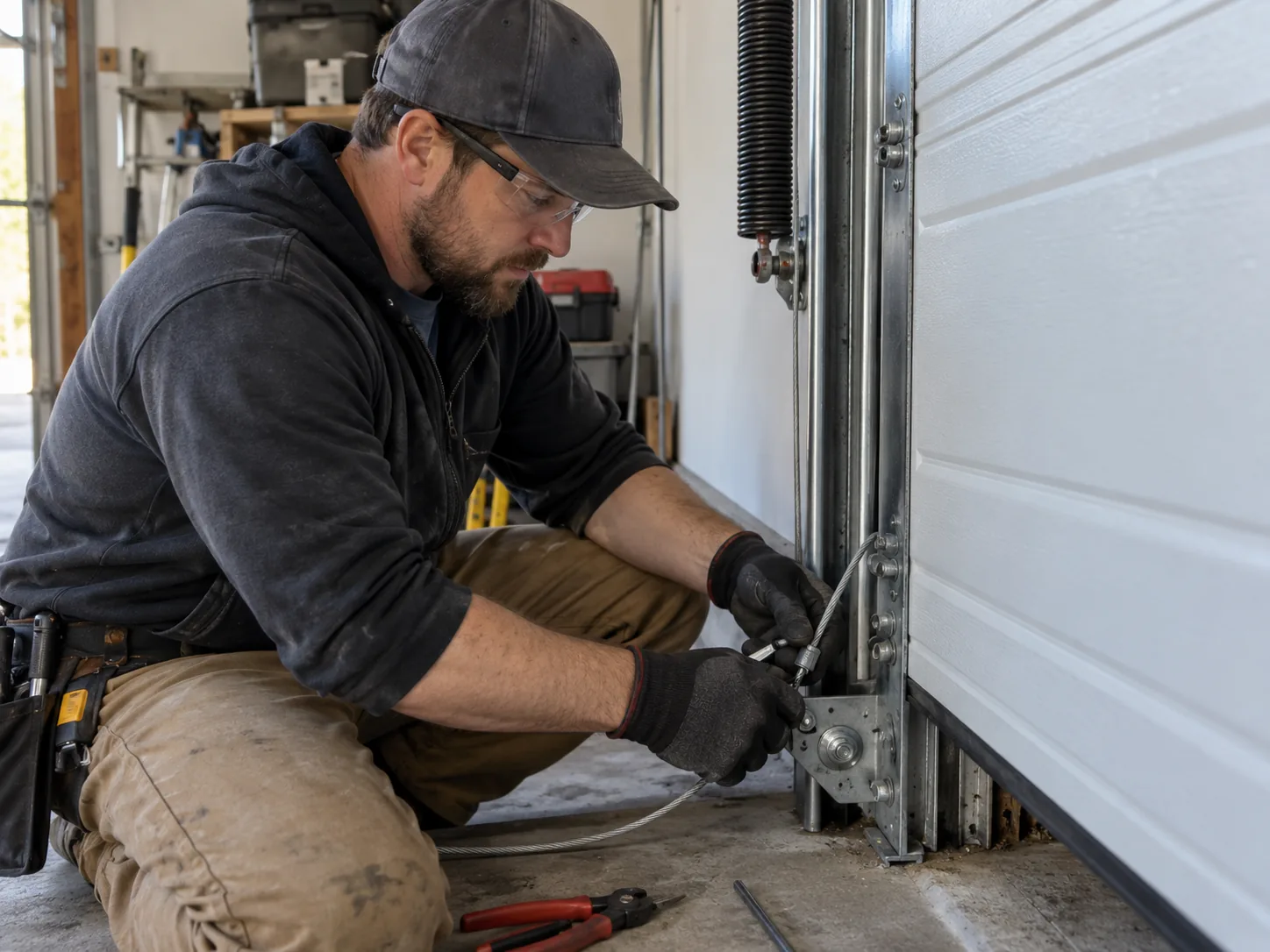
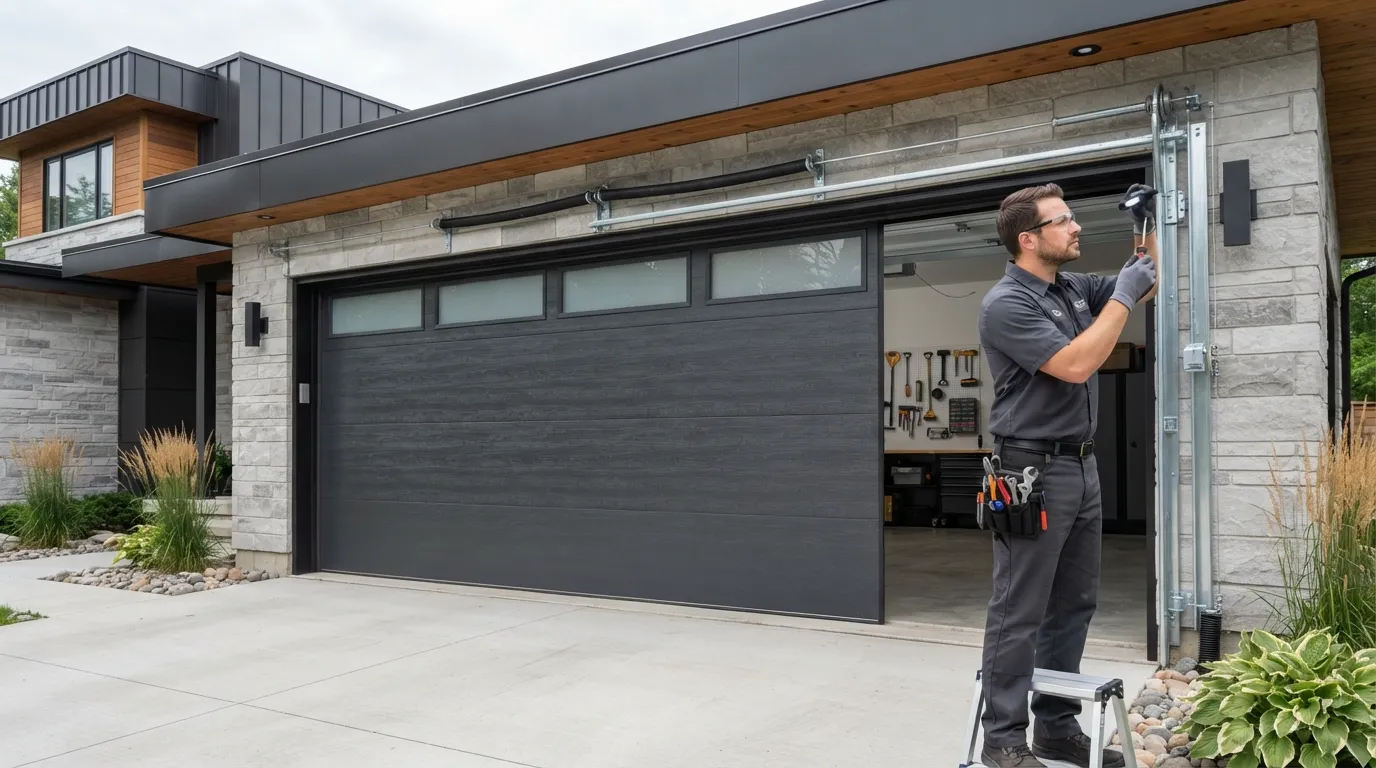
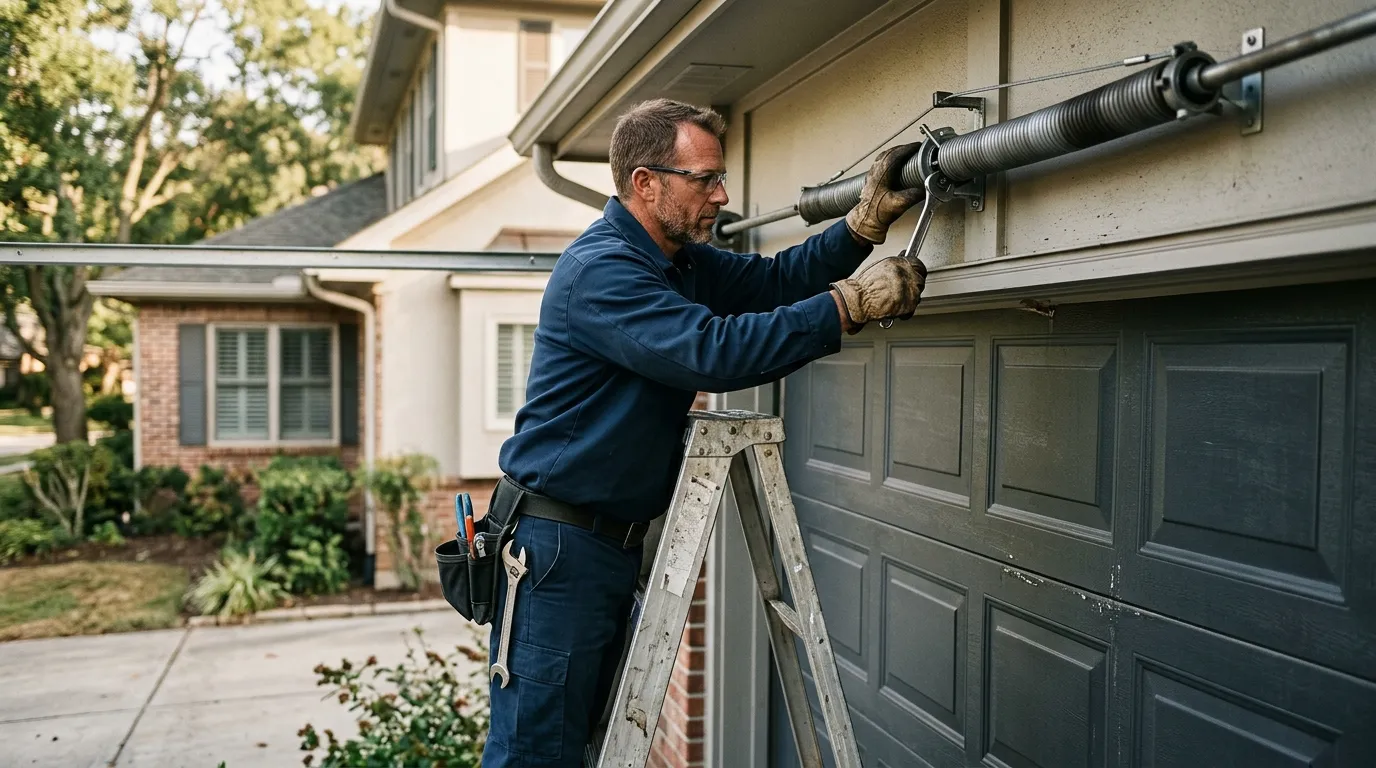
On a house built around 1987, we start at the springs, not the opener. Extension springs age by stretching and by rust at the coil ends, and on a door that old we check both ends of both springs along with the pulleys and the safety cables running through them - cables that are supposed to catch a spring if it snaps, and that we've often found missing or cut on original installs.
Next is the track alignment, since horizontal track sag is common on original hardware that's shifted with the house over three-plus decades. We true up the track, lubricate rollers and hinges, and check the door balance by hand rather than trusting the opener's force setting alone. Last is the opener.
If it's original to the house, we test the reverse function and the photo-eye setup, if there is one, and we're honest when the safest fix is a new opener rather than a patched-together retrofit on a 35-year-old unit. We don't push a full opener swap when a sensor kit will do the job - that's a call we make on site, not on the phone.

Warning signs
The moderate heat this area sees through summer thickens old lubricant on hinges and rollers before it fails outright, so the first sign on a 1987-era door is usually a slow grinding sound rather than a sudden jam - the door still moves, it just complains the whole way.
Frayed strands on an extension spring's safety cable are another one we catch on inspection more than on a call-in; homeowners rarely see it because it's tucked behind the spring itself. What they do notice is the door drifting off level as it closes, a sign the spring on one side has stretched more than the other.
On the opener side, a door that reverses on its own partway down, or won't reverse at all when something's under it, points to a photo-eye that's either missing or knocked out of alignment - common on original units that predate the sensor mandate. That's not a wait-and-see issue; it's the one thing on this list we tell people to get looked at before the next use, not the next tune-up.
Questions
If your house dates to around 1987, the door likely runs extension springs and possibly an original opener without safety sensors. Extension spring parts are still common; original opener parts are hit or miss and sometimes mean a replacement opener rather than a repair. We check what your specific unit needs before quoting anything.
No. We run out of Coppell and drive the 14 miles out for every job here - there's no local branch or drop-off point in University Park. That travel time is part of how we schedule the visit, so it's worth telling us your general area when you book.
Heat thickens old grease on rollers and hinges, so a door that's due for lubrication tends to get noisier as the temperature climbs rather than quieter. It's usually not a sign of failure, but it's a good prompt to get the hardware serviced before the noise turns into something binding.
Sometimes. Openers made before the early 1990s often didn't ship with the photo-eye sensors now required, and whether a retrofit kit fits depends on the housing and model. We'll check yours on site and tell you straight if a retrofit works or if replacement is the safer route.
Explore more
Ready when you are
Coppell Garage Door Co repairs and installs garage doors, springs and openers in Coppell, TX and the surrounding area.